
-
5 minutes, 30 seconds
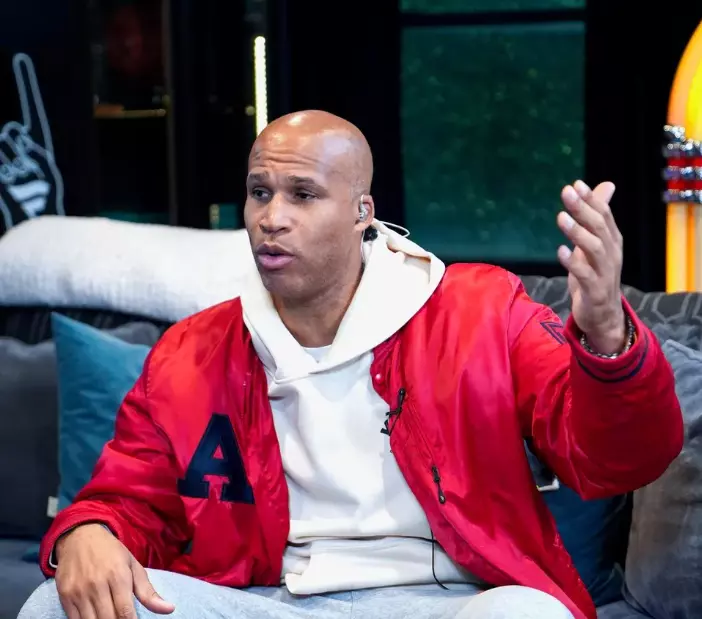
Sports storytelling careers are rapidly emerging as one of the most viable paths in the modern creator economy. No longer limited to highlight reels or traditional broadcasting, today’s storytellers are building independent platforms, monetizing audiences, and owning their content. Driven by streaming demand, athlete-led media, and digital platforms, this shift is opening new doors for creatives worldwide. For millennials especially, sports storytelling is no longer a side hustle—it’s becoming a scalable, full-time career with real earning potential.
For decades, sports storytelling followed a predictable formula shaped by leagues and major networks. Content was tightly controlled, and opportunities were often limited to those inside established systems. Today, that structure is breaking down. Creators, athletes, and filmmakers are building their own ecosystems, producing and distributing content independently. This shift is giving storytellers more creative freedom and, more importantly, a larger share of the revenue they generate.
The financial momentum behind sports storytelling careers is impossible to ignore. The global sports industry continues to expand, with sponsorships, media rights, and streaming platforms driving massive investment. As competition for premium content increases, platforms are actively seeking compelling sports narratives that go beyond the game. This surge in demand is creating more opportunities for independent creators to enter and thrive in the space.
One of the biggest changes in sports storytelling is the emphasis on ownership. Creators are no longer just contributors—they are becoming business operators. By controlling production, distribution, and monetization, they are building sustainable income streams. This approach allows them to scale their work across platforms while maintaining creative control. For many, ownership is no longer optional; it’s the foundation of long-term success.
Today’s sports storytellers are not following traditional career paths. Many are entering the space through adjacent industries like music, advertising, and digital media. This multi-skilled approach gives them an edge, allowing them to blend storytelling with branding, marketing, and production expertise. Instead of waiting for opportunities, they are creating their own—turning small projects into large-scale productions with global reach.
The explosion of sports documentaries has played a major role in legitimizing sports storytelling careers. Audiences are no longer satisfied with scores and highlights—they want deeper, more emotional narratives. Stories about identity, culture, and personal journeys are resonating across global audiences. Streaming platforms are investing heavily in this format, creating a steady pipeline of opportunities for creators who can deliver compelling content.
Modern sports audiences consume content across multiple platforms, from short-form videos to long-form documentaries and podcasts. This fragmentation has forced creators to adapt quickly. Successful storytellers are building multi-platform strategies, distributing content across video, audio, and social channels. This not only increases visibility but also diversifies income streams, making their careers more resilient in an unpredictable media landscape.
A defining feature of this shift is the rise of athlete-led media. Athletes are no longer just subjects of stories—they are creating and controlling them. By launching podcasts, production companies, and digital platforms, they are reshaping the industry from within. This direct connection with audiences often leads to more authentic storytelling and stronger engagement, further proving the value of ownership in modern media.
Sports storytelling careers are no longer niche—they are becoming a cornerstone of the creator economy. As platforms compete for attention and audiences demand deeper narratives, the need for skilled storytellers will only grow. For those willing to think beyond traditional roles and embrace ownership, the opportunities are significant. In this new era, success isn’t just about telling great stories—it’s about building systems that allow you to own and scale them.

7.8K articles

1.4K articles

34 articles

28 articles














Comment