
-
4 minutes, 9 seconds
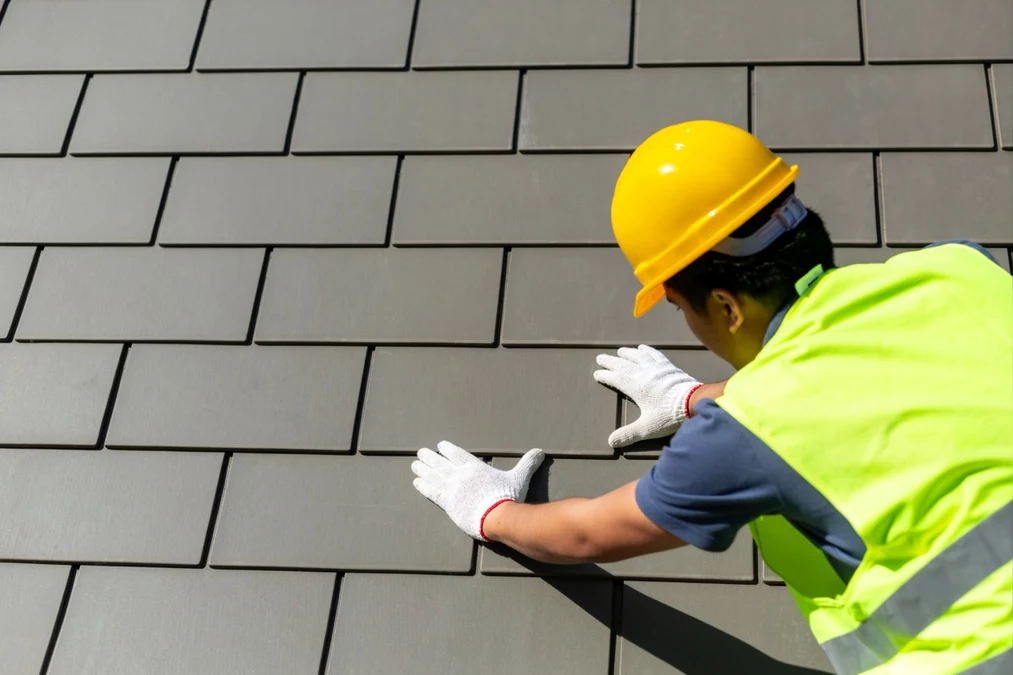
Storms can cause significant damage to a roof within minutes, but the actions taken during the first 24 hours often determine whether the problem remains manageable or turns into a costly repair.
Named storms regularly damage roofs across Hampshire and the South of England by lifting tiles, damaging ridge lines, loosening flashings, and allowing water to enter the property. While the initial damage may appear minor, continued water ingress can quickly affect insulation, timber, ceilings, and electrical systems.
If you're dealing with storm damage and need Emergency Roof Repairs in Lychpit, Basingstoke, the following steps will help protect your home while you arrange a professional roofing inspection.
Your first instinct may be to inspect the damage yourself, but climbing onto a storm-damaged roof is extremely dangerous.
Roof surfaces become slippery after heavy rain, damaged tiles may shift unexpectedly, and strong winds often continue long after the worst of the weather has passed.
The safest approach is to assess the roof from ground level until a qualified roofing contractor can inspect it safely.
Your loft often provides the clearest indication of the extent of the damage.
Check for:
If water is entering the loft, move stored belongings away from affected areas and position buckets beneath active leaks.
Should water begin collecting above plasterboard ceilings, creating a small controlled drainage hole is often preferable to allowing the ceiling to collapse unexpectedly.
Water and electricity are a dangerous combination.
If you notice water near ceiling lights, wiring or loft junction boxes, switch off the affected circuit at your consumer unit before entering the affected area.
One of the most valuable things you can do is document the damage immediately.
Take photographs of:
Most smartphones automatically record the date and time, providing valuable evidence if you need to make an insurance claim.
The Met Office provides historical weather data, including wind speeds and storm conditions for your area.
This information can help support insurance claims, particularly where insurers need evidence that weather conditions were severe enough to cause storm damage rather than gradual deterioration.
Before arranging permanent repairs, contact your insurance company to report the damage.
Most insurers allow emergency temporary repairs to prevent further damage, but permanent repairs may require approval before work begins.
Ask your insurer exactly what emergency work is authorised under your policy.
Temporary weather protection can significantly reduce the overall cost of repairs.
Professional roofing contractors can install temporary waterproof coverings or secure protective sheeting to minimise further water ingress until permanent repairs can be completed safely.
Every additional hour that water enters the property increases the likelihood of:
Preventing further water penetration is often just as important as repairing the original roof damage.
Avoid relying solely on verbal quotations.
A professional written inspection should clearly explain:
This documentation is valuable for both insurance claims and ensuring the correct repair work is carried out.
Be cautious of unsolicited contractors offering immediate cash repairs following severe weather. Reputable roofing companies are typically busy after major storms and will provide clear quotations and inspection reports before commencing work.
If the same section of your roof suffers repeated storm damage, the storm itself is unlikely to be the underlying cause.
Recurring problems often indicate issues such as:
Addressing the root cause while scaffolding is already in place is usually far more cost-effective than repeatedly repairing the same area after every storm.
Storm damage should never be ignored, even when it appears minor.
Small defects can quickly develop into serious structural problems once water enters the roof space. Early action not only protects your property but can also simplify the insurance claims process and reduce long-term repair costs.
If you require Emergency Roof Repairs in Lychpit, Basingstoke arranging a professional inspection as soon as possible is the safest and most cost-effective solution.
Smart Roofing LTD provides reliable roofing services for homeowners and businesses across Lychpit, Basingstoke, and surrounding areas. Our experienced team specialises in emergency roof repairs, roof installations, flat roofing, chimney repairs, guttering, skylight installations, and complete roof maintenance. Every project is completed using quality materials and professional workmanship to help keep your property safe and protected throughout the year.


7.8K articles

2.5K articles

1.4K articles

34 articles








Comment