Alerts

-
3 minutes, 36 seconds
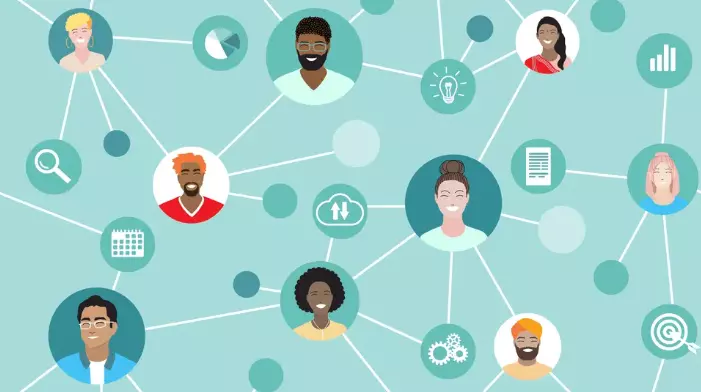
Organizations must stop designing work only for employees because the modern workforce is no longer made up of employees alone. Today, companies access talent through freelancers, independent professionals, gig workers, partners, and AI. If work is done by many different types of people—and machines—then designing work only for employees leaves out a huge part of the capability a business needs. It's time to redesign work for a blended workforce.
Employment is just one way people contribute to the economy. According to MBO Partners' 2025 State of Independence research, 72.9 million Americans now do independent work. Over one-third of traditional employees also run a side business or gig. And in 2026, 2.9 million new businesses have already formed in the U.S., putting the country on pace for another record year.
People are choosing to build multiple income streams and professional identities. This shift gives them more flexibility, extra income, and greater career resilience—especially as AI reshapes the job market. The old idea of working for one company for decades is fading fast.
Smart organizations no longer assume they need to hire an employee for every skill they need. Instead, they ask better questions:
For example, a company's AI transformation might depend on an external specialist who works with many clients. That specialist brings insights no single company could develop alone. A critical project might be led by a former employee who returns as a consultant. Neither person needs to become an employee for the organization to benefit.
This shift is already visible. Deloitte recently reduced benefits for some U.S. employees—a sign that organizations are distinguishing between capabilities they want to keep inside a long-term employment relationship and those they can access in other ways.
Recruitment, career development, performance management, benefits, leadership pipelines, workforce planning, and retention—all these systems were built around one relationship: employer and employee. They assumed people would join, stay for years, and build a career inside one company.
That assumption no longer holds. Employment is only one of many ways organizations access capability. Treating it as the only way leaves companies blind to much of the talent they actually depend on.
Retention has long been the main success metric for companies. But keeping people no longer means keeping capability. Some of the most valuable contributors may never become employees. Others may stay for only one project, a product launch, or a few years.
Professional services firms figured this out decades ago through alumni networks. They treat former employees as an extended asset—tracking them as they become clients, refer new business, or return as senior hires. Their contribution doesn't end when they leave. It simply changes shape.
This is loyalty without longevity. It means:
Retention can no longer mean minimizing exits. It needs to mean maximizing relationships. Success is no longer measured only by who stays. It's also measured by:
The conversation about the future of work often centers on technology. AI will reshape organizations. But the more profound transformation may be happening in the workforce itself. The industrial organization was built to manage employees. The AI organization will be built to orchestrate capability—from employees, freelancers, partners, and AI together.
If you want to stay competitive, stop designing work only for employees. Start designing work for the entire talent ecosystem.










Comment