Alerts

-
3 minutes, 58 seconds
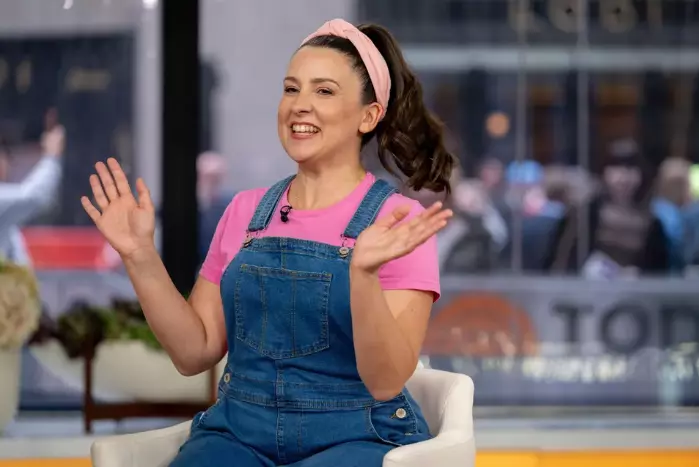
Ms. Rachel, the beloved children's educator and YouTube star, has made it clear that fear will never dictate her career choices. Despite facing intense backlash for speaking out on racial injustice and other social issues, she continues to use her platform for advocacy. Her fearless approach offers a powerful lesson for anyone who wants to stand up for what's right, even when it's risky.
Ms. Rachel, also known as Rachel Accurso, is a music educator who became famous for her educational YouTube videos for toddlers. Her warm and engaging style has made her a household name among parents and children. But beyond her videos, she has increasingly used her voice to speak out on social justice issues, proving that her role extends far beyond the screen.
Recently, Ms. Rachel spoke out about the death of Nolan Wells, an 18-year-old Black teenager who died under mysterious circumstances after a trip with friends. She shared posts suggesting the investigation would have been handled differently if the racial roles were reversed. The posts were met with a flurry of negativity and criticism.
This isn't the first time she has faced backlash. She has been criticized for advocating for children in Gaza and faced boycott calls after posting a Pride Month video in 2024. Despite the ongoing opposition, she has not backed down.
So how does Ms. Rachel handle the constant criticism? She says the key is focusing on the people who are suffering, not the backlash. "My sister helped me with this. She told me to keep my focus on the people experiencing injustice, not the backlash. We only have so much energy... I want to use my energy to help others, not to engage with backlash."
Ms. Rachel understands that using her voice comes at a cost, but she believes it's a price worth paying. "I speak the truth, but I will never attack anyone. My faith and spirituality help me to remain peaceful and loving in my mind, words and actions."
According to a 2026 State of Workplace Feedback & Culture report, 67% of HR professionals have observed employees staying silent when they have concerns or different opinions. This silence doesn't just hurt the individual—it allows systemic issues to grow.
As author Audre Lorde famously wrote, "Your silence will not protect you." When we look away from injustice, we become part of the problem. Our silence enables harmful systems to continue, and in the end, everyone suffers.
Speaking up can be scary, but it's essential. Here are some practical ways to start:
Ms. Rachel believes that those with the most privilege have a responsibility to speak out. "I think people who have the privilege I have—white, financially secure, having a large platform—need to be on the frontlines of speaking out. It's our responsibility."
She also acknowledges that not everyone can risk their job or safety. "I would never tell someone who can't put food on the table if they lost their job to risk it. But I will tell celebrities and politicians who have more money than they will ever need to please do more."
If you want to make a difference, Ms. Rachel recommends supporting organizations that are already doing the work. Some of her suggested nonprofits include:
Ms. Rachel's story proves that courage is not the absence of fear—it's acting in spite of it. By focusing on the people who need us, we can make a real difference. As Reni Eddo-Lodge wrote, "Every voice raised against racism chips away at its power. We can't afford to stay silent."
Let Ms. Rachel's example inspire you to speak up, even when it's hard. Your voice matters.










Comment