Alerts

-
4 minutes, 7 seconds
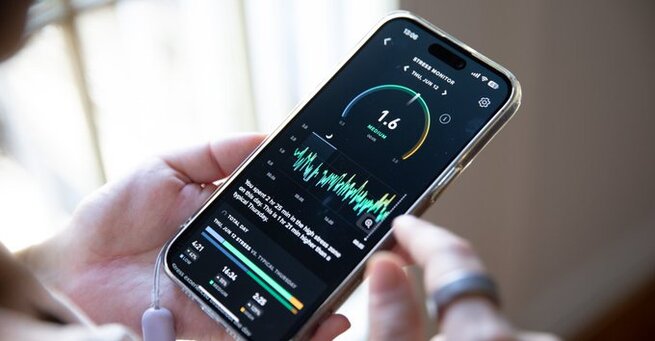
Wellness tech is taking a bold step into our bathrooms, kitchens, and bedrooms. Devices like at-home urinalysis kits, hormone trackers, and continuous glucose monitors promise to help people optimize their health—but at what cost? For many, the appeal lies in convenience: these gadgets claim to provide personalized insights into hydration, nutrient levels, and metabolic health without a trip to a lab. But as more devices enter the market, questions about accuracy, privacy, and necessity are mounting.
One of the latest gadgets, the Withings U-Scan, lets users monitor their urine at home. With a $380 price tag, it measures biomarkers like ketones, vitamin C, hydration, and something called “bioacidity.” Users insert a cartridge into their toilet, and the device sends the results to an app. Advocates argue that these insights help optimize diets and prevent conditions such as kidney stones. Critics, however, question whether constant urine monitoring actually improves health or just fuels anxiety about normal bodily functions.
Hormone tracking kits are also gaining traction, particularly among those looking to manage stress, inflammation, or hormonal disorders like polycystic ovary syndrome. These devices test cortisol, estrogen, and other hormone levels over time, claiming to offer actionable lifestyle advice. Influencers and wellness enthusiasts often highlight these products as revolutionary, though experts caution that hormones fluctuate naturally and may not always reflect actionable trends.
Originally designed for diabetes management, continuous glucose monitors (CGMs) are now marketed to the broader wellness audience. These biosensors measure blood sugar levels throughout the day, helping users understand how diet, sleep, and exercise impact glucose. While some find CGMs empowering, others argue that casual tracking may encourage obsessive monitoring and misinterpretation of normal fluctuations.
As these gadgets collect ever more intimate health data, privacy concerns are mounting. Users are effectively sharing biological information with companies, sometimes without fully understanding storage or usage policies. Security breaches and unclear data-sharing agreements pose real risks, making the wellness tech landscape as much about ethics as innovation.
While wellness gadgets offer curiosity-driven insights, their real-world benefits remain debated. For some, tracking urine, hormones, or glucose can illuminate patterns and guide lifestyle changes. For others, the sheer volume of data can overwhelm and even induce stress. Experts recommend approaching these tools with caution, focusing on clinically validated devices and consulting healthcare professionals before making decisions based on app-generated metrics.
Despite the controversies, the wellness tech industry shows no signs of slowing. Companies are refining sensors, integrating AI-driven analysis, and expanding device ecosystems to include sleep, stress, and dietary tracking. The promise is compelling: a life finely tuned with personalized insights. Yet the ultimate question persists—will these devices make us healthier, or are we trading privacy and peace of mind for a constant stream of biological data?










Comment