
Video game hardware spending in the US saw a dramatic decline this November, totaling just $695 million—a 27% drop from 2024, according to market research firm Circana. This marks the lowest November spending on gaming consoles since 2005, when only $455 million was recorded. With 1.6 million units sold, hardware sales also reached their lowest November total in three decades, trailing only the 1.4 million units sold in 1995. Analysts point to rising console prices and holiday market dynamics as key factors driving this downturn.
Both PlayStation 5 and Xbox Series consoles turned five this November, but consumers face steeper prices for brand-new units. Circana reports the average cost of a new console jumped to $439, an 11% increase compared to last year and the highest average price ever for November. In contrast, the average price in November 2019 was just $235. Analysts suggest that inflationary pressures and ongoing supply chain challenges have made premium gaming hardware less accessible to many buyers during peak shopping season.
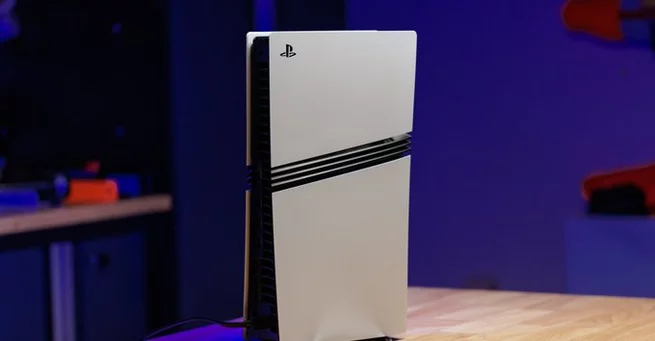
Despite the overall decline, the PlayStation 5 emerged as the top-selling console of the month in both units and revenue. This milestone is notable, as it’s the first time PS5 claimed the top spot since the launch of the Nintendo Switch 2. The Switch 2 came in second place for units and revenue, while the Nex Playground claimed third in units sold. Interestingly, Xbox Series consoles ranked third in dollars spent, highlighting a mixed but competitive hardware landscape heading into the holidays.
Call of Duty: Black Ops 7 led November’s software sales, yet the franchise experienced a noticeable decline in overall revenue. Circana reported a double-digit percentage drop in full-game dollar sales compared to November 2024. Analysts attribute this to growing competition from newer titles and a shift in consumer spending toward next-generation consoles and premium experiences, leaving traditional game sales struggling despite strong brand recognition.
Industry experts note that hardware sales are increasingly influenced by broader market trends. Rising production costs, limited discounts during Black Friday, and global supply chain disruptions have combined to dampen November sales. Additionally, the maturation of current-gen consoles means fewer first-time buyers are entering the market, contributing to historically low unit sales. These factors suggest that hardware makers may need new incentives or pricing strategies to reignite demand.
As December sales approach, analysts are cautiously optimistic. Bundled deals, seasonal promotions, and the looming release of major AAA titles could boost both hardware and software revenue. However, higher average prices and market saturation remain challenges. Consumers may also pivot to pre-owned or refurbished consoles, further impacting new hardware sales. Industry observers expect that growth recovery will likely depend on next-generation innovations and broader affordability.
November 2025 represents a stark reminder of how pricing, market maturity, and shifting consumer habits can impact gaming hardware sales. With record-high average prices and historically low unit sales, manufacturers face mounting pressure to adapt. How they respond during the holiday rush could set the tone for early 2026, shaping the trajectory of consoles, games, and overall gaming culture in the US.

𝗦𝗲𝗺𝗮𝘀𝗼𝗰𝗶𝗮𝗹 𝗶𝘀 𝘄𝗵𝗲𝗿𝗲 𝗽𝗲𝗼𝗽𝗹𝗲 𝗰𝗼𝗻𝗻𝗲𝗰𝘁, 𝗴𝗿𝗼𝘄, 𝗮𝗻𝗱 𝗳𝗶𝗻𝗱 𝗼𝗽𝗽𝗼𝗿𝘁𝘂𝗻𝗶𝘁𝗶𝗲𝘀.
From jobs and gigs to communities, events, and real conversations — we bring people and ideas together in one simple, meaningful space.




Comments