Alerts

-
5 minutes, 30 seconds
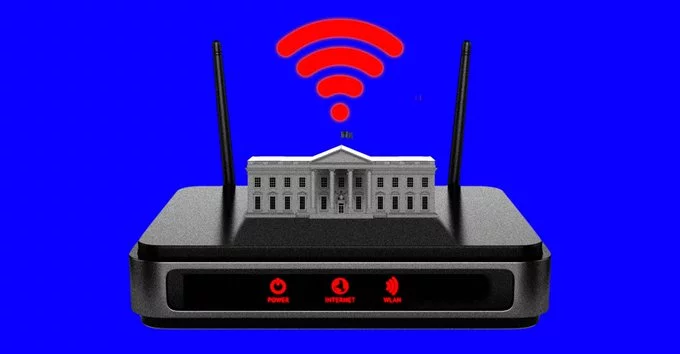
Confusion around the US router ban has surged as policymakers move to restrict certain foreign-made networking devices. Simply put, the proposed ban targets routers and internet equipment linked to national security concerns. Officials argue that some imported devices could pose risks by allowing unauthorized data access or surveillance. The issue has gained urgency as global tensions around technology and cybersecurity continue to rise. For everyday users, this raises an important question: could your current router become restricted or replaced?
The push behind the ban is rooted in long-standing concerns about supply chain security. Governments want tighter control over critical infrastructure, including the devices that power home and business internet. Routers act as gateways to sensitive data, making them a key focus in cybersecurity strategies. As a result, regulators are now examining which manufacturers can safely operate within the market. This shift signals a broader effort to reshape how technology is sourced and trusted.
Security fears sit at the center of the US router ban debate. Officials worry that certain foreign-built devices could be exploited for espionage or cyberattacks. Even without concrete public evidence in every case, the risk alone has been enough to trigger policy action. Governments often take a precautionary approach when national security is involved, especially with internet infrastructure.
Another factor is the increasing complexity of modern routers. Today’s devices handle more than just Wi-Fi—they manage smart homes, business systems, and even remote work connections. This expanded role means any vulnerability could have widespread consequences. By limiting access to potentially risky hardware, authorities aim to reduce these threats before they materialize. The move reflects a growing trend of prioritizing digital sovereignty.
For consumers, the US router ban could lead to noticeable changes in the tech market. One immediate impact may be reduced availability of certain low-cost routers. Devices from restricted manufacturers could disappear from shelves or become harder to import. This could drive prices up as fewer options remain available.
Another potential effect is forced upgrades. If older routers are flagged as security risks, users may be encouraged—or even required—to replace them. While this could improve overall network safety, it may also create inconvenience and added expenses. Consumers might need to research approved brands or rely on recommendations from service providers. Over time, the market could shift toward fewer, more tightly regulated choices.
The US router ban isn’t just about consumers—it has significant implications for tech companies worldwide. Manufacturers affected by the restrictions could lose access to a major market, impacting revenue and growth. This may also lead to increased competition among approved vendors, particularly domestic or allied companies.
On a global scale, the move could strain trade relationships. Technology bans often trigger responses from other countries, potentially leading to restrictions in return. This back-and-forth dynamic can reshape supply chains and influence future innovation. Companies may begin diversifying manufacturing locations to avoid geopolitical risks. Ultimately, the ripple effects could extend far beyond routers.
The future of the US router ban remains uncertain as discussions continue among policymakers and industry leaders. Regulations could evolve, with clearer guidelines on which devices are allowed and which are restricted. Consumers and businesses will likely receive more direction as the policy takes shape.
At the same time, the debate highlights a larger shift in how governments view technology. Internet infrastructure is no longer just a convenience—it’s a critical part of national security. As a result, stricter oversight is becoming the norm rather than the exception. For users, staying informed will be key to navigating these changes. Whether through upgrades or new purchasing decisions, the way people connect to the internet may soon look very different.










Comment