
Alerts
-
4 minutes, 13 seconds
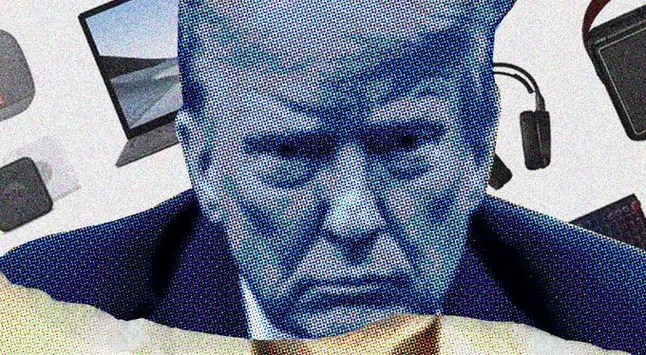
US President Donald Trump’s latest announcement of a 25% tariff targeting countries that do business with Iran has sparked concern across global tech markets. While implementation details remain unclear, analysts warn that this move could push up the cost of China-made devices, from smartphones to laptops. Many are asking: will everyday tech become more expensive, and how will supply chains react? The announcement comes amid mounting unrest in Iran, signaling that the tariffs are as much a political statement as an economic measure.
China remains the hub for global electronics manufacturing, producing critical components for everything from semiconductors to consumer hardware. Any disruption linked to US tariffs could ripple through supply chains, raising prices for companies that rely on Chinese manufacturing. While the tariff currently exists as a theoretical threat, its mere announcement has already sparked speculation in the markets, with potential consequences for device availability and pricing.
Tech companies are particularly exposed in semiconductors, laptops, and smartphone production. These industries rely heavily on cross-border supply chains between China and other global markets. A 25% tariff on Iran-linked transactions could increase operational costs, forcing companies to either absorb losses or pass them to consumers. Analysts emphasize that even a partial disruption could trigger price hikes in the US, particularly for mid-range and high-end electronics.
Trump’s tariff declaration appears designed to show support for Iranians protesting against the Islamic regime without resorting to military action. Iran has experienced a widespread digital blackout since last Thursday, with some Starlink connectivity providing limited access. Reports suggest that more than 600 protestors have been killed by security forces loyal to Supreme Leader Ayatollah Ali Khamenei, intensifying the US political and economic pressure on Iran and its international partners.
Despite being labeled “final and conclusive,” Trump’s tariff announcement lacks regulatory text, enforcement guidance, or legal authority. This ambiguity leaves companies and analysts guessing how the policy might be applied, especially to China, which frequently conducts business with Iran despite US sanctions. The uncertainty alone has created market tension, highlighting the fragility of global tech supply chains.
For US consumers, the practical impact could include higher prices for smartphones, laptops, and other China-made electronics. Retailers may face pressure to adjust pricing, while companies sourcing parts from China could see increased costs. Experts warn that even minor disruptions in component supply can translate into noticeable price jumps in the consumer market.
Investors and tech companies are closely monitoring how this theoretical tariff might unfold. While no formal regulations have been issued, speculation alone has already affected stock valuations and purchasing strategies. As the situation develops, US buyers may need to brace for potential price hikes and limited availability of popular tech devices, underscoring how political decisions can ripple through global markets almost instantly.










Comment