Alerts

-
3 minutes, 15 seconds
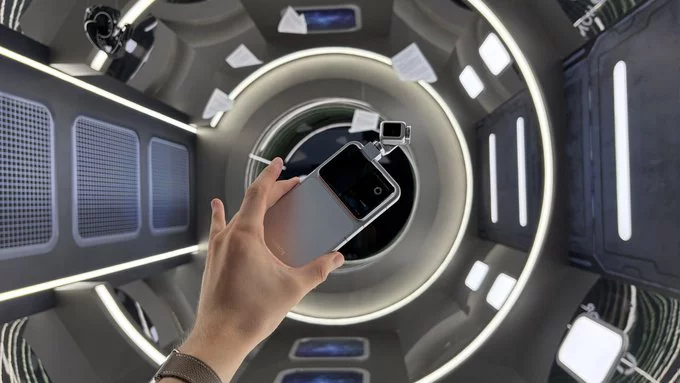
Honor’s decision to develop a proprietary imaging chip stems from a clear limitation: the Snapdragon 8 Elite Gen 5 chipset alone is not sufficient for high-quality video capture. While the flagship processor delivers raw computational power, Honor found that its general-purpose architecture struggles to handle the continuous, parallel data streams required for professional-grade video processing. Tasks like multi-frame noise reduction, real-time HDR fusion, and 4K/8K encoding demand a dedicated solution.
By offloading these intensive workloads to a custom chip, Honor ensures the main SoC isn’t overwhelmed. This division of labor prevents thermal throttling and frame drops, which are common when a single chip tries to manage both system tasks and imaging algorithms. The custom silicon is purpose-built for low-latency, high-throughput image signal processing, allowing the phone to maintain consistent quality without compromising performance. In short, Honor’s engineering team concluded that only a bespoke component could deliver the cinematic stability and detail they aimed for in video mode.
Inside the device, the Snapdragon 8 Elite Gen 5 serves as the primary engine, handling all general processing tasks with impressive efficiency. It manages the operating system, app launches, and everyday multitasking without breaking a sweat. However, when it comes to the demanding task of video capture, the chipset’s role changes. While it is powerful, it cannot go it alone.
For video, the Snapdragon chipset requires assistance from the dedicated imaging chip. This is a deliberate architectural decision. By offloading the heavy, specialized video processing to the custom silicon, the Snapdragon is freed from a burden it was not designed to carry alone. This partnership ensures that the device does not rely solely on the general-purpose processor for a task that demands specialized, sustained performance. The result is that the Snapdragon handles the system, while the dedicated chip ensures the video output meets the desired performance standard, preventing bottlenecks and overheating during prolonged recording sessions.
The custom imaging chip is engineered to share the load with the Snapdragon processor, a division of labor that unlocks video capture and processing capabilities the chipset alone cannot deliver. By offloading specialized tasks, the dedicated silicon handles complex imaging algorithms in parallel, freeing the main processor for other functions. This collaborative architecture allows for simultaneous processing of multiple data streams, which is critical for high-resolution recording.
Specifically, the chip enables more advanced noise reduction and dynamic range optimization in real time. Where a standard Snapdragon might struggle with the computational intensity of 4K HDR video, the custom chip steps in to manage the heavy lifting. This results in smoother frame rates and richer detail, even in challenging lighting conditions. The result is a video pipeline that operates with greater efficiency and speed, delivering a level of quality that surpasses what a single, general-purpose processor could achieve on its own.
For users, the most immediate benefit is a significant leap in video quality that the Snapdragon chipset alone could not deliver. Because the custom chip offloads the heavy lifting of video processing, the Robot Phone can record and playback higher resolution footage with greater detail and clarity. This means your videos will look sharper and more vibrant, even in challenging lighting conditions, without the processing bottlenecks that can cause dropped frames or overheating.
Beyond raw resolution, the dedicated chip enables smoother, more stable playback. By handling complex computational tasks separately, it frees up the main processor to manage other functions, resulting in a more responsive and fluid user experience. You’ll notice less lag when scrubbing through high-bitrate footage and a more consistent performance during extended recording sessions. Ultimately, this translates to a device that feels more capable and reliable, turning the Robot Phone into a powerful tool for content creators and everyday users who demand professional-grade results without compromise.










Comment