Alerts

-
5 minutes, 26 seconds
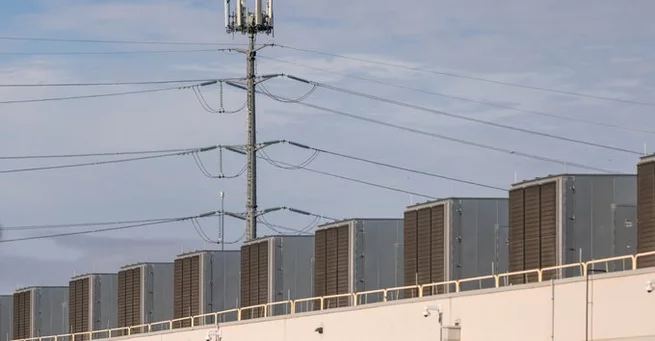
Trump power auction plans are back in focus as federal officials and Mid-Atlantic governors intensify pressure on the nation’s largest regional electricity market to fast-track new power plants. The proposal aims to address soaring electricity demand driven by artificial intelligence, cloud computing, and massive data center expansion. Supporters argue it could stabilize the grid and protect households from higher bills. Critics warn it may shift costs, reshape energy markets, and test the limits of government influence over independent grid operators.
The push centers on whether technology companies should shoulder more responsibility for the infrastructure needed to power their rapid growth.
At the heart of the plan is a call for an “emergency” power auction that would lock in electricity supply contracts lasting up to 15 years. That timeline is significantly longer than standard market agreements and is designed to make new power plant construction financially viable. Long-term contracts provide predictable revenue, which developers say is essential to secure financing for large-scale generation projects.
Supporters believe this structure would discourage speculative grid connection requests, particularly from data center developers racing to reserve power capacity. By tying commitments to real costs, the auction could slow down projects that lack a clear energy strategy. The goal is not just more power, but smarter planning that aligns growth with grid stability.
Data centers now rank among the fastest-growing sources of electricity demand in the United States. AI training models, cloud storage, and always-on digital services require enormous and constant power. As demand spikes, utilities face pressure to build new generation and transmission infrastructure, often passing costs on to everyday customers.
Federal energy officials argue that this model is no longer sustainable. They want data centers to pay a larger share for new generation unless they bring their own power sources online or agree to reduce usage during peak demand periods. The message is clear: growth should not come at the expense of residential ratepayers.
One of the most striking aspects of the Trump power auction push is its bipartisan backing. Governors from states across the Midwest and Mid-Atlantic region have signed onto a joint statement urging swift action. These states host dense clusters of data centers and industrial load, making them especially vulnerable to supply shortages.
State leaders warn that without decisive moves, consumers could face rising electricity rates and reliability risks. Extreme weather events, aging infrastructure, and new industrial demand are already straining the grid. For governors, the auction represents a proactive step to avoid future crises rather than reacting after outages occur.
Despite the political momentum, the proposal faces structural hurdles. Regional grid operators function independently and are not directly controlled by the White House or state governments. While officials can apply pressure and shape policy direction, they cannot unilaterally mandate market actions.
This tension highlights a broader challenge in US energy governance. As electricity demand transforms faster than regulations, policymakers must rely on persuasion rather than direct authority. Whether the grid operator agrees to hold such an auction will likely depend on market analysis, stakeholder input, and regulatory review.
Public frustration over energy costs is adding urgency to the debate. Many households already struggle with higher utility bills, and the idea of subsidizing power for massive tech campuses has become politically sensitive. Lawmakers fear backlash if residents perceive that local communities are paying for infrastructure that primarily benefits large corporations.
By shifting more costs to data centers, officials hope to ease that tension. Advocates say this approach aligns responsibility with usage, reinforcing the principle that heavy consumers should help fund the systems they rely on. Opponents counter that higher costs could slow innovation or be passed down to consumers through digital services.










Comment