Alerts

-
5 minutes, 33 seconds
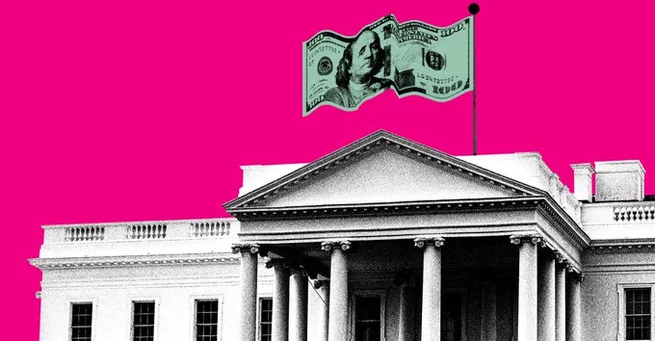
Questions about who funded the proposed White House ballroom and how Big Tech became involved are now getting clearer answers. Newly released documents show that Trump fundraisers directly contacted major technology companies, including Microsoft and Amazon, seeking donations for the $300 million project. The disclosures help explain when these companies were approached, what they were told, and whether any expectations were attached. For readers searching to understand the relationship between Trump fundraisers, Silicon Valley, and the White House ballroom plan, the letters provide rare insight. They also highlight growing political scrutiny around corporate influence. At the center of the debate is whether these donations were purely civic or politically sensitive. Lawmakers say transparency matters more than ever.
According to correspondence released by Senator Elizabeth Warren’s office, Trump fundraisers contacted Microsoft about contributing to the White House ballroom effort. The outreach reportedly occurred roughly two months after Donald Trump publicly announced plans to replace the East Wing with a privately funded ballroom. Microsoft’s legal counsel confirmed that a fundraiser provided details on how the donation process would work. The company was told the Trust for the National Mall would manage contributions in partnership with the National Park Service. Microsoft also received instructions on how to donate. An invitation to a donor dinner followed soon after. The company confirmed it attended that event. These details suggest early and structured engagement between fundraisers and Big Tech.
Microsoft emphasized that its interaction was informational rather than contractual. In its response, the company stated it did not negotiate construction terms or design elements for the ballroom. Instead, the focus remained on understanding how donations would be managed. The Trust for the National Mall was presented as the primary administrator of funds. Microsoft framed the invitation to attend a supporter dinner as part of standard donor outreach. No promises or incentives were mentioned in the letter. The company also stressed compliance with existing laws and ethical standards. This explanation appears aimed at distancing Microsoft from political influence concerns. Still, critics argue that access itself can carry weight.
Amazon also acknowledged communication with Trump fundraisers months before the donor list became public. The company said it began discussions with the fundraising group in August 2025. According to Amazon, these conversations did not involve reviewing construction plans. The company stated it did not enter into any formal agreements related to the ballroom project. Its letter sought to clarify that the engagement was limited in scope. Amazon positioned the contact as exploratory rather than influential. This admission nonetheless confirms Big Tech outreach occurred earlier than previously known. That timing has raised eyebrows among Democratic lawmakers.
Comcast’s letter offered a more direct explanation of its role. The company said it pledged an unrestricted donation to the Trust for the National Mall. It emphasized that no conditions were attached to how the money would be used. Comcast also stated it expected nothing in return for its contribution. Other companies, including Meta, Nvidia, and Apple, provided more general responses. Apple’s government affairs team asserted that its donation process followed ethical and legal standards. These statements offered reassurance but few specifics. Lawmakers say the lack of detail leaves unanswered questions. Transparency remains a key concern.
The letters were released after Democratic lawmakers questioned whether Big Tech donations could influence public projects. Senator Warren’s office framed the disclosures as part of broader oversight efforts. Critics argue that large corporations donating to high-profile government projects risk blurring ethical lines. Supporters counter that private funding reduces taxpayer burden. The White House ballroom plan has become a symbol of that debate. Big Tech companies now find themselves defending not just donations, but optics. As scrutiny intensifies, future corporate contributions may face stricter review. For now, the disclosures have reignited discussion about money, access, and power in Washington.










Comment