
Alerts
-
5 minutes, 54 seconds
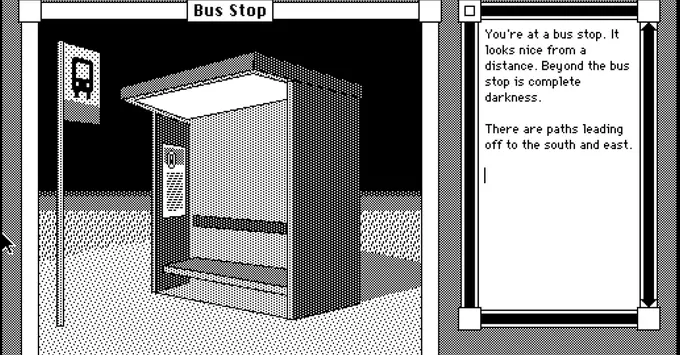
Curious about how a modern game can be built using decades-old software? The Transfer Point game answers that question in a fascinating way. Designed as a point-and-click adventure, it doesn’t just imitate the look of classic Macintosh games—it was actually created using the same 40-year-old development tools. This unique approach has captured attention among gamers and developers who are interested in retro computing, game design history, and creative experimentation.
Transfer Point stands out in today’s gaming landscape, where cutting-edge engines dominate development. Instead of relying on modern tools, the creators chose to work within the constraints of vintage software. This decision wasn’t just about nostalgia—it was about exploring how limitations can inspire creativity. The result is a game that feels authentic, both visually and technically, while still delivering a fresh experience.
Plenty of indie games adopt pixel art or retro aesthetics, but the Transfer Point game goes much deeper. It replicates the exact workflow developers used decades ago, including interface design and interaction systems. This gives the game a level of authenticity that’s difficult to achieve through visual imitation alone.
The use of original tools means the game inherits quirks and constraints from early computing environments. For example, interface elements behave in ways that feel true to older systems, creating a sense of immersion for players familiar with classic software. Even for newcomers, the experience feels distinct and refreshing compared to modern game mechanics.
This authenticity also taps into a growing appreciation for digital preservation. By using legacy tools, the developers highlight how early software shaped the evolution of gaming. It’s not just a game—it’s a living example of how technology from the past still has creative potential today.
Working with decades-old software introduces challenges that modern developers rarely face. Limited processing power, simpler graphics capabilities, and rigid design frameworks all influence how the game is built. However, these constraints can lead to more thoughtful design decisions.
In the Transfer Point game, gameplay is focused on exploration, storytelling, and puzzle-solving. Without access to complex physics engines or high-end graphics, the developers rely on clever writing and engaging interactions to keep players interested. This results in a slower, more deliberate pace that encourages players to think and observe carefully.
Interestingly, these limitations can enhance creativity rather than restrict it. Developers are forced to innovate within boundaries, often leading to unique mechanics and storytelling techniques. For players, this creates a gameplay experience that feels intentional and handcrafted.
The success of projects like the Transfer Point game reflects a broader trend in the gaming industry. Many developers and players are rediscovering the charm of older technologies, not just for nostalgia but for their design philosophy. Retro tools often emphasize simplicity, clarity, and creativity over complexity.
This movement also aligns with the rise of indie development, where smaller teams experiment with unconventional ideas. By revisiting older tools, developers can differentiate their work in a crowded market. It also allows them to connect with audiences who appreciate the history and evolution of gaming.
For younger players, games like Transfer Point offer a glimpse into the past. They provide context for how modern games have evolved while delivering a unique and engaging experience. For older players, they evoke memories while offering something new to explore.
Transfer Point demonstrates that innovation doesn’t always require the latest technology. Sometimes, looking backward can open new creative paths. By combining old tools with modern storytelling sensibilities, the game bridges generations of design philosophy.
This approach could inspire more developers to experiment with unconventional methods. As technology continues to advance, the contrast between old and new becomes even more compelling. Games like Transfer Point remind us that creativity is not defined by tools, but by how they are used.
Ultimately, the Transfer Point game is more than a nostalgic project. It’s a statement about the enduring value of creativity, experimentation, and the unexpected possibilities hidden within outdated technology.










Comment