Alerts

-
5 minutes, 38 seconds
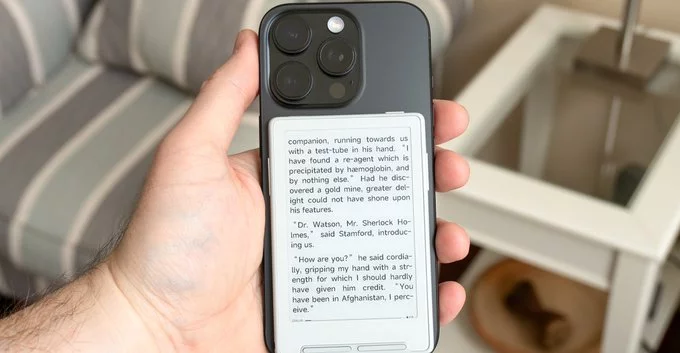
Tiny e-reader innovation is grabbing attention as a new credit card-sized device pushes portability to the extreme. Designed by Xteink, this ultra-small e-reader aims to deliver a minimalist reading experience that fits in your wallet. Many readers are asking: how small can an e-reader really get, and does shrinking it compromise usability? Early impressions suggest the device is impressively thin and lightweight, but one controversial omission is dominating conversations across tech communities.
The device stands out immediately because of its size. Unlike traditional e-readers that resemble small tablets, this one feels more like a smart card. It is easy to carry anywhere, making it appealing for commuters, travelers, and anyone who prefers a clutter-free lifestyle. The concept aligns with growing demand for compact tech that blends seamlessly into daily routines without adding bulk.
Xteink’s tiny e-reader isn’t just about shrinking dimensions—it represents a broader shift toward hyper-portable gadgets. The device uses an e-ink display, known for its paper-like readability and low power consumption. This ensures users can read comfortably for extended periods without eye strain, even in bright sunlight.
Battery efficiency is another highlight. Thanks to the e-ink technology, the device can last significantly longer than typical LCD-based devices. This makes it ideal for users who want a reliable reading companion without frequent charging. Its stripped-down interface also focuses purely on reading, removing distractions like apps and notifications.
However, while the minimalism is intentional, it also limits functionality. Users who expect advanced features like note-taking or app integration may find the device too basic. Still, for purists who just want to read, the simplicity could be a major selling point.
Tiny e-reader discussions quickly turn critical when users discover the lack of a USB-C port. In 2026, USB-C has become the universal standard for charging and data transfer across most consumer electronics. Skipping it feels like a surprising and, to many, frustrating decision.
Instead, the device relies on an alternative charging method that is less convenient. This creates compatibility issues, especially for users who have already transitioned fully to USB-C ecosystems. Carrying an extra cable or adapter defeats the purpose of having a highly portable device.
This omission has sparked debate about whether extreme minimalism justifies sacrificing essential functionality. While the device succeeds in reducing size, many argue that removing a widely adopted standard undermines its practicality. For modern users, convenience often matters as much as innovation.
Despite its flaw, the tiny e-reader reflects a growing trend toward ultra-light tech. Consumers increasingly value devices that are easy to carry and quick to use. The rise of minimalist lifestyles has influenced product design, pushing companies to rethink what is truly essential.
For some users, the appeal is clear. A device that fits in your pocket or wallet can make reading more accessible throughout the day. Whether waiting in line or commuting, having a book always within reach can encourage more consistent reading habits.
This shift also highlights changing expectations. Users are willing to trade advanced features for convenience—but only up to a point. The balance between simplicity and functionality remains a key challenge for tech designers.
Tiny e-reader innovation is exciting, but competition in the e-reader market is fierce. Established devices already offer slim designs, long battery life, and seamless charging options. To stand out, new entrants must deliver both innovation and practicality.
Xteink’s approach proves that there is still room for experimentation. However, the missing USB-C port may limit its appeal to a niche audience. Tech enthusiasts might appreciate the design, but everyday users could hesitate due to the inconvenience.
Ultimately, the device raises an important question: how far should companies go in pursuit of minimalism? While the tiny e-reader is undeniably impressive in size, its biggest flaw shows that even the smallest details can have a major impact on user experience.

5.8K articles

2.8K articles

1.6K articles

34 articles














Comment