Alerts

-
4 minutes, 20 seconds
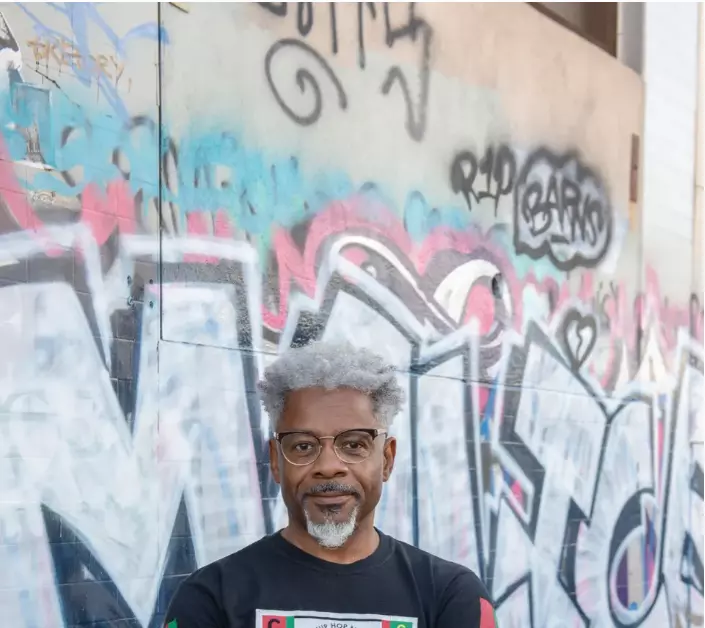
The “cool job” ecosystem in fashion, media, and entertainment looks amazing on social media. You see stylists at celebrity fittings, designers sharing mood boards, and influencers living the dream. But behind the filters and front-row seats, most creatives face a very different reality: unstable income, long hours, and constant financial pressure.
This article reveals what the glossy posts don’t show you—and why understanding this hidden labor is crucial if you want a sustainable creative career.
The “cool job” ecosystem refers to the network of creative roles—stylist, designer, photographer, influencer, content creator—that appear glamorous from the outside. Social media has made these careers look more accessible than ever. But in reality, many creative professionals struggle with inconsistent pay, burnout, and a lack of basic protections.
These stats come from industry reports by Fashionista, Vogue Business, and recent academic studies.
Social media amplifies the highlight reel. You see the finished look, the runway show, the sponsored post. What you don’t see is the months of unpaid work, the client education, the manufacturing delays, and the constant reinvestment of every dollar back into the business.
As streetwear pioneer TJ Walker (co-founder of Cross Colours) says: “You don’t really see what they have to go through. The part you see is just when people do an article or get exposure from a fashion show.”
Most consumers never see the operational side of fashion: securing retail placement, managing influencers, product development, manufacturing costs, and distribution logistics. The public only sees the finished image, not the infrastructure behind it.
Fashion designer and stylist BJ Gray adds another invisible layer: failure. “We don’t see the journey and the true testimonies that come with the failures that actually make the journey rewarding,” he says.
Gray describes fashion as a constant cycle of reinvestment. “If you’re in fashion, you’re a gambler. I’m betting on myself again.” Even a successful season rarely leads to long-term security because revenue is immediately poured into the next collection, production, and operations. “All you’re doing is pouring this right back into the next gamble.”
Walker and Gray both believe social media has created unrealistic expectations. Consumers now want everything fast—and that speed often compromises quality.
“The consumer has been conditioned to want everything fast,” Walker says. “But with that, you compromise something.”
The data backs this up: a 2025 study found that 69% of creators report financial instability, and 62% experience burnout. Another survey showed that 52% of creators have considered leaving the industry entirely.
Walker warns that platforms rewarding immediacy create the illusion that fashion careers scale quickly. “If they put a T-shirt on social media and get a couple of orders, they think they’ve become a designer.”
Gray mourns the loss of apprenticeship culture. “There’s a lost art of studying under someone,” he says. He compares fashion to sports and theater, where understudy systems build expertise gradually. Social media compresses those timelines, pushing young creatives to prioritize visibility over skill-building.
Gray spends much of his time educating clients about quality, craftsmanship, and pricing. “You’re paying for a solution,” he explains. Like an accountant or attorney, a stylist’s expertise carries real value. Consistency and communication are essential to preserving both creative standards and trust.
The pressure to stay culturally relevant is exhausting. A 2025 survey found that 70% of professionals in media, marketing, and creative sectors experienced burnout in the past year—far higher than the general workforce. Two-thirds of creative professionals globally report work-related health issues linked to anxiety and depression.
Walker still believes visibility matters, but he warns: “You can do it for a while. But after a while, that’s going to run out.” Quality, not just attention, is what sustains a career.
The “cool job” ecosystem may look like a dream, but the reality requires grit, patience, and smart business sense. If you’re ready to build a sustainable creative career, start by seeing past the highlight reel.










Comment