Alerts

-
2 minutes, 57 seconds
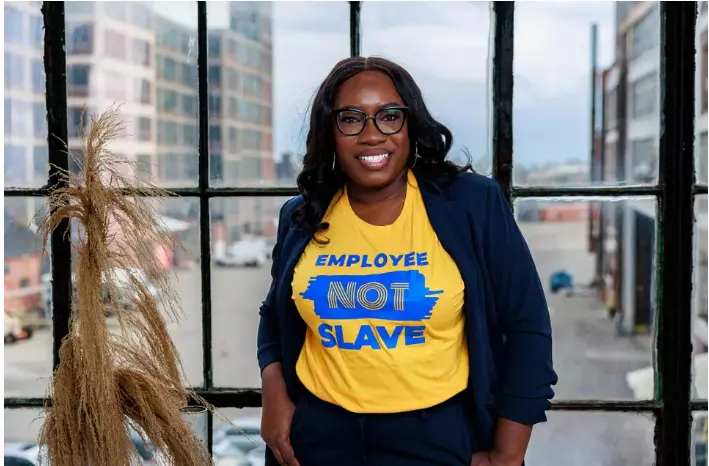
If you've been laid off and later see a similar job posted online, you're not alone. This is called the layoff loophole, and it's happening more often than you'd think. In simple terms, it's when a company says your role was eliminated, then quietly reposts the same job with a new title. This article explains what to watch for, your legal rights, and how to protect yourself.
The layoff loophole happens when an employer claims a job was cut due to restructuring or budget reasons, but then hires someone else to do the same work under a different name. Employment attorney Chiquita Hall-Jackson says this is a common practice. She warns that it can open the door to lawsuits if the real reason was discrimination or retaliation.
Not every reposted job means something illegal. Companies do restructure and change roles. But Hall-Jackson advises workers to watch for patterns. For example, if a layoff only affects certain groups—like older employees or people of a specific race—that could be a red flag.
Hall-Jackson suggests asking: Who else was let go? If the layoff hit mostly women, Black workers, or older employees, you might have a case. Recent data shows Black women have been disproportionately affected by job cuts. In 2025, Black women lost 113,000 jobs and saw their unemployment rate rise to 6.7%.
Many workers think "layoff" means they have no legal options. That's a big mistake. You can still sue if you were treated unfairly based on race, gender, age, disability, or because you complained about something at work. The law focuses on why you were let go, not what the company calls it.
Hall-Jackson's top tip is simple: keep records. Use a notebook, a digital journal, or AI tools to log important events. Save performance reviews, emails, HR messages, and any notes about promotions or complaints. Once you're laid off, you lose access to company systems. Having your own records can be a lifeline.
Layoffs are common now. Companies like Intuit, Meta, and NPR have cut thousands of jobs. Hall-Jackson recommends having a backup plan. This doesn't mean a second full-time job. It could be affiliate marketing, freelancing, or helping a small business a few hours a week. Having multiple income streams makes you less vulnerable.
If you suspect you were let go through a layoff loophole, trust your gut. Look for patterns, document everything, and know your rights. Employment laws are there to protect you—even if the company calls it a layoff. Stay informed, stay prepared, and don't be afraid to ask questions.










-96X96.png)


Comment