
Alerts
-
7 minutes, 0 seconds
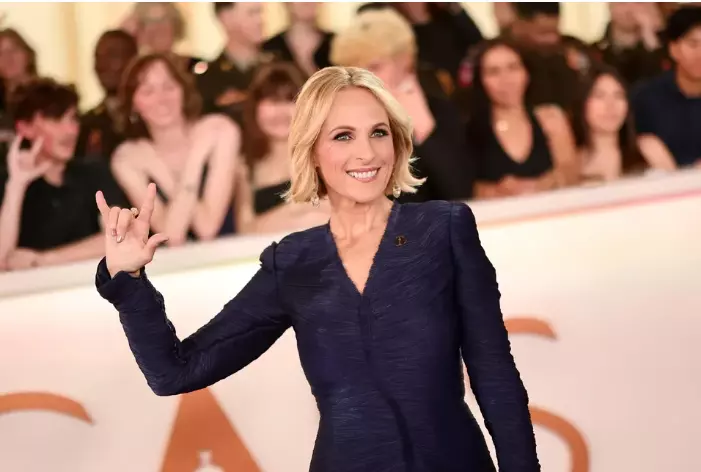
The Oscars 2026 delivered its usual mix of glamour and surprises, but one powerful moment slipped by too quickly for many viewers. During the live broadcast, Academy president Lynette Howell Taylor recognized actor and activist Marlee Matlin for her decades-long impact on accessibility in film. For those wondering why this brief tribute matters, the answer is simple: it highlights how one voice helped transform an entire industry. Long before accessibility became a business priority, Matlin and others were pushing for change. Today, features like captioning are standard across streaming platforms because of that early advocacy. What seemed like a quiet acknowledgment was actually a milestone in Hollywood’s evolution. And it carries lessons far beyond entertainment.
Matlin’s influence extends well beyond her award-winning acting career. Early on, she recognized the need for captioning in film and television—at a time when the industry showed little interest in accessibility. Her advocacy helped lay the groundwork for both open and closed captioning systems widely used today. These tools didn’t emerge overnight; they were the result of years of persistence by Deaf and disabled advocates. Matlin’s efforts, alongside others, pushed studios to rethink how audiences experience content. This shift ultimately expanded access for millions of viewers worldwide. What started as a niche concern has now become a core feature of modern media consumption.
Despite her groundbreaking success, Matlin’s career reflects a common challenge faced by many pioneers. Even after winning an Academy Award early in her career, she experienced limited opportunities compared to her peers. This disconnect between recognition and consistent work is a pattern often seen across industries. Talent and achievement don’t always translate into equal access or inclusion. Still, Matlin continued to advocate for change, even when institutional support was lacking. Her persistence highlights the resilience required to drive long-term transformation. It also underscores how systemic barriers can persist despite visible success.
The Oscars 2026 moment builds on years of overdue recognition. In 2025, Matlin received an honorary Academy Award for her contributions to advancing captioning technology. That acknowledgment came decades after her early advocacy began. It reflects a broader shift in how Hollywood values accessibility and innovation. The industry is slowly recognizing that inclusion is not just ethical—it’s essential. This year’s on-stage tribute reinforced that message for a global audience. Even if brief, it symbolized a turning point in how contributions like Matlin’s are celebrated.
When the camera cut to Matlin during the ceremony, she signed “I love you” to viewers watching around the world. The gesture lasted only seconds, but it resonated deeply. It represented a career built on perseverance, advocacy, and quiet leadership. Moments like this remind audiences that impact isn’t always loud or dramatic. Sometimes, it’s found in years of consistent effort behind the scenes. For many, it was a powerful reminder of the human stories shaping the industry. And it reinforced why representation matters on global stages like the Oscars.
What began as an accessibility initiative has become a major driver of innovation. Captioning is now widely used by streaming audiences, often beyond its original purpose. Similarly, voice-to-text technology—once developed to support people with disabilities—now powers everyday tools like smartphone assistants. These innovations have created entirely new markets and revenue streams. Businesses are increasingly recognizing that accessibility fuels growth, not just compliance. The ripple effects extend across industries, from tech to media and beyond. Matlin’s early advocacy helped spark a shift that continues to shape how products are built today.
For executives, creators, and founders, the takeaway is clear. Investing in accessibility early can unlock unexpected opportunities and long-term value. Companies that treat inclusion as a strategic priority often gain a competitive edge. They build products that serve broader audiences and adapt more easily to changing demands. Matlin’s story illustrates how forward-thinking leadership can redefine an industry. It also shows that innovation often comes from those who face the greatest barriers. Recognizing these voices isn’t just meaningful—it’s essential for progress.
The Oscars 2026 moment honoring Marlee Matlin is more than a tribute—it’s a reflection of how far the industry has come, and how far it still needs to go. It highlights the importance of acknowledging contributions that reshape systems over time. While the spotlight often focuses on immediate achievements, lasting impact is built over decades. Matlin’s journey is a reminder that meaningful change rarely happens overnight. It requires persistence, vision, and a willingness to challenge the status quo. And sometimes, the most important moments are the ones that almost go unnoticed.










Comment