Alerts

-
5 minutes, 26 seconds
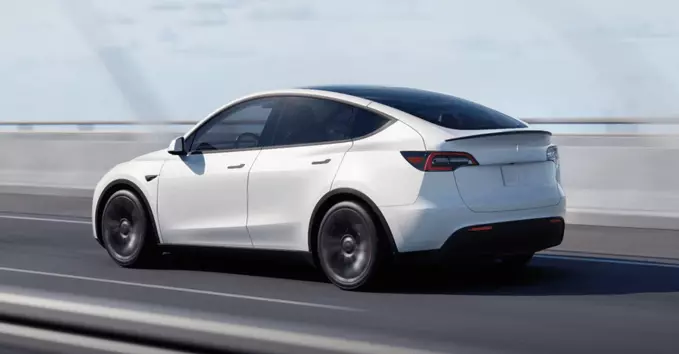
Tesla’s Full Self-Driving (FSD) system could be heading toward a major recall as regulators examine whether it properly warns drivers during dangerous conditions. The National Highway Traffic Safety Administration is now in the final stage of its investigation, focusing on crashes linked to poor visibility. Early findings suggest the system may fail to alert drivers in time, raising serious safety concerns and increasing pressure on Tesla to act.
The investigation centers on how Tesla’s FSD performs when visibility is compromised by glare, fog, or airborne particles. Regulators are specifically analyzing the system’s “degradation detection” feature, which is designed to notify drivers when cameras cannot clearly detect the road.
Reports indicate that in several incidents, the system either failed to recognize hazardous conditions or issued warnings too late to prevent crashes. These findings have prompted deeper scrutiny, as safety agencies assess whether the technology meets expected reliability standards for driver assistance systems.
Authorities have escalated the case to an engineering analysis, the final phase before a potential recall decision. This step typically involves a more detailed technical review of system performance, crash data, and manufacturer responses.
Historically, when investigations reach this stage, recalls often follow if significant safety defects are confirmed. For Tesla, this raises the stakes considerably, as previous probes have led to widespread updates affecting large portions of its vehicle fleet.
Preliminary findings suggest that Tesla’s system may struggle in real-world conditions where visibility changes rapidly. In some documented crashes, the system reportedly failed to detect issues such as glare or obstructed camera views.
More concerning is the timing of alerts. Regulators found that warnings were sometimes issued only moments before impact, leaving drivers with little opportunity to react. This delay undermines one of the core safety principles of semi-autonomous driving systems: giving humans enough time to take control.
Tesla began working on improvements to its degradation detection system following earlier incidents. However, regulators say it remains unclear which vehicles have received these updates and whether they effectively resolve the problem.
This lack of clarity adds another layer of concern. Without consistent deployment or verification, even improved software may not prevent future incidents. Authorities are now evaluating whether earlier updates could have mitigated some of the crashes currently under review.
The outcome of this investigation could have far-reaching consequences beyond Tesla. Full Self-Driving systems are a key part of the automotive industry’s push toward autonomy, but safety remains a critical barrier to widespread adoption.
If regulators determine that Tesla’s system poses a significant risk, it could lead to stricter oversight across the entire sector. Other automakers developing similar technologies may also face increased pressure to prove their systems can handle complex, real-world conditions safely.
The next steps depend on the findings of the ongoing engineering analysis. If regulators confirm a safety defect, Tesla could be required to issue a recall, potentially affecting thousands or even millions of vehicles.
At the same time, Tesla may choose to release additional software updates to address the concerns proactively. While software fixes can sometimes resolve issues without physical recalls, regulators will ultimately decide whether those measures are sufficient.
This investigation highlights a broader trend of increasing regulatory attention on advanced driver assistance systems. As more vehicles rely on automation, ensuring reliability in all conditions becomes essential.
For Tesla, the stakes are especially high. Its FSD system is central to its long-term vision, but ongoing safety concerns could slow adoption and impact consumer trust. Whether this probe leads to a recall or not, one thing is clear: scrutiny of self-driving technology is only intensifying.








Comment