


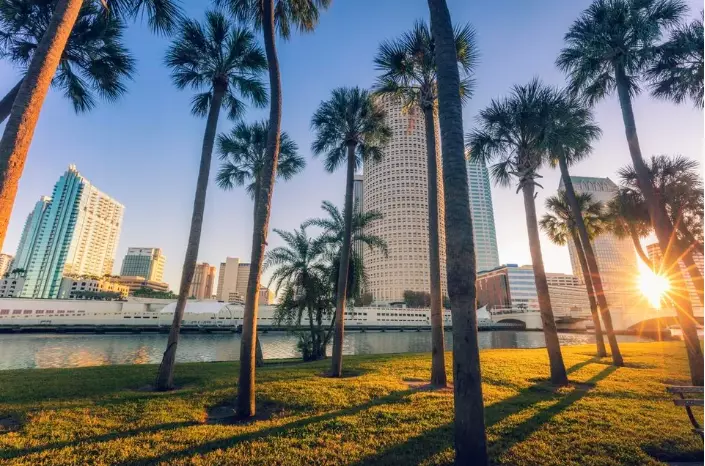
Tampa Millennial Migration: Jobs, Costs, and What You Need to Know
-
3 minutes, 32 seconds
Tampa is winning the millennial migration race. In 2023, the Tampa Bay area saw a 95% net gain in millennial relocations, the highest of any U.S. city. Nearly twice as many millennials moved in as moved out. That’s more than Austin, Nashville, or Charlotte.
But what happens when the sun sets? The lifestyle is great, but jobs and costs matter too. Here’s the real story of Tampa’s job market, wages, and what millennials need to know before moving.
The Sunshine Gap: Lifestyle vs. Paycheck
Tampa is famous for its beaches, warm weather, and no state income tax. Time named it one of the World’s Greatest Places in 2023. Forbes called it the best place to live in Florida. TikTok is full of relocation videos from rooftop pools.
But here’s the catch: Tampa Bay wages are 15.6% below the national average. Meanwhile, average rent is now $2,010 a month. That’s a big jump from before the migration boom.
This is what experts call the “sunshine gap.” It’s the gap between Tampa’s great reputation and what the job market can actually pay for. The math doesn’t always add up.
What Jobs Are Actually Available in Tampa?
Tampa’s economy is more than just tourism. The city has a mix of strong industries:
- Financial services – Many banks and insurance companies have offices here.
- Healthcare – Major hospitals and research centers like Moffitt Cancer Center.
- Tech – Tech jobs have grown by 30% in five years. Over 50,000 residents now work in tech. Forbes ranked Tampa the #1 emerging tech hub in the U.S. By 2027, over 3,700 new tech jobs are expected, especially in cybersecurity, fintech, and health tech.
- Tourism and cruise ships – A large part of the local economy.
Kenyetta Hairston-Bridges, president of Tampa Downtown Partnership, says: “Tampa is diverse in its economy. The opportunities are starting to really show themselves to the younger workforce.”
This mix means you’re not betting everything on one industry. That’s a good thing.
The Real Problems: Transit and Housing
No city is perfect. Tampa has two big gaps for millennials:
1. Public Transit
Tampa is a car city. There’s no subway or light rail. If you’re used to Chicago or New York, you’ll need a car. That’s a trade-off for many young workers who want walkable neighborhoods.
Hairston-Bridges admits: “Our market is still maturing to a fully transit-oriented place.”
2. Housing Costs in Downtown
Downtown Tampa is expensive. The city is working on a plan to develop 300 acres of underused land north of downtown. 60% of that land is empty. The goal is to build affordable housing from the start. But for now, it’s still a plan.
For Black and Brown Millennials: An Honest Look
Florida’s politics matter. Hairston-Bridges, a Black woman who moved from Detroit, says: “Politics are going to be anywhere you go. You have to be mindful of some of the policies coming out from state and federal government right now.”
She doesn’t regret moving. But she’s working to make Tampa more inclusive. Her office is creating a retail incubator for underrepresented small business owners. It gives them a chance to test their business in downtown without a long-term lease.
It’s a small step, but it shows effort.
Should You Move to Tampa?
Yes, if you have a job offer or a clear plan. No, if you’re just chasing the vibe.
Hairston-Bridges says: “Go with a plan.” The city rewards people who have a job in hand, a sector match, or a business idea they’ve already calculated. The wages-to-rent ratio leaves little room for mistakes.
One woman she knows chose Tampa by pointing at a map of Florida and moving there. She never looked back. But not everyone has that freedom.
The honest truth: Tampa’s growth is real. The gaps are real too. Go in with a plan, and you might find what the influencers post about. Go in for the aesthetic alone, and the math will catch up faster than the sun sets.



Contact Information




Suggested Writers
-

7.6K articles
-

1.3K articles
-

34 articles
-

28 articles



Comment