Alerts

-
4 minutes, 46 seconds
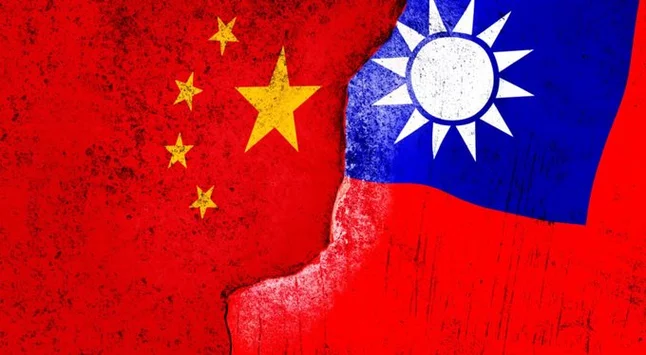
Taiwan’s National Security Bureau (NSB) has raised alarms over a new wave of Chinese influence campaigns using AI and deepfakes. Authorities warn that Beijing is outsourcing these operations to legitimate IT and marketing firms, enabling large-scale disinformation targeting Taiwanese citizens. The NSB report, released on Sunday, highlights how automation and AI-generated content are being used to amplify “cognitive warfare” online.
The intelligence agency reports that over 45,000 fake social media accounts were detected last year, circulating more than 2.3 million pieces of manipulated content. This surge underscores the sophisticated strategies now employed in modern information warfare, blending human actors and AI-driven automation.
The NSB’s findings reveal that the disinformation was not driven solely by random troll farms but by contracted Chinese IT companies. These firms allegedly built massive databases of bot accounts and developed automated programs to manage them. This infrastructure allowed Beijing to scale its campaigns efficiently, pushing targeted narratives into Taiwanese online communities.
By combining technology with strategic planning, these contractors can tailor disinformation based on audience demographics, preferences, and online behavior. The report emphasizes that this approach represents a new, highly organized level of digital influence.
According to the report, companies like China North Industries Group Corporation Limited are developing AI models to generate video content, conduct public-opinion data collection, and automate dissemination. Voice and video deepfakes are used to manipulate perceptions, often mimicking Taiwanese accents to increase authenticity.
Additionally, firms such as Magic Data and iFlytek are creating intelligent voice systems to collect recordings from unsuspecting users, potentially training AI to produce realistic audio content for propaganda. The NSB warns that these AI-driven systems could easily fabricate voices, enhancing the credibility of misleading video materials.
Marketing companies backed by Beijing, including Haixunshe, Haimai, and Huya, are reportedly creating fake news websites with names resembling international media outlets like “Aisa Korea” and “Austria Weekly.” These sites aim to subtly propagate China-aligned narratives under the guise of objective reporting.
Facebook content farms, operated by companies like Wubianjie Group, amplify this strategy by using clickbait to attract users. Once engaged, audiences are gradually exposed to politically charged content designed to influence public opinion in Taiwan.
The NSB report also highlights that China is compiling detailed databases on prominent Taiwanese figures. These databases could be used to tailor disinformation campaigns, influencing public perception and potentially undermining political stability. Authorities express concern that this strategy extends beyond simple online trolling, representing a calculated effort to manipulate minds at scale.
Taiwanese authorities are calling for increased vigilance among citizens and organizations to recognize AI-generated media and false news websites. Public awareness campaigns and cybersecurity measures are being strengthened to counteract these sophisticated tactics.
Experts warn that as AI technology continues to advance, disinformation strategies will become even more convincing, making proactive detection and verification essential for safeguarding democratic discourse.
This development reflects a broader global concern over AI-enabled information warfare. Nations worldwide are grappling with the risks posed by deepfakes, automated disinformation campaigns, and the blending of legitimate companies with covert propaganda operations. Taiwan’s NSB report serves as a stark reminder of the growing intersection between technology, geopolitics, and public perception in the digital age.










Comment