Alerts

-
5 minutes, 59 seconds
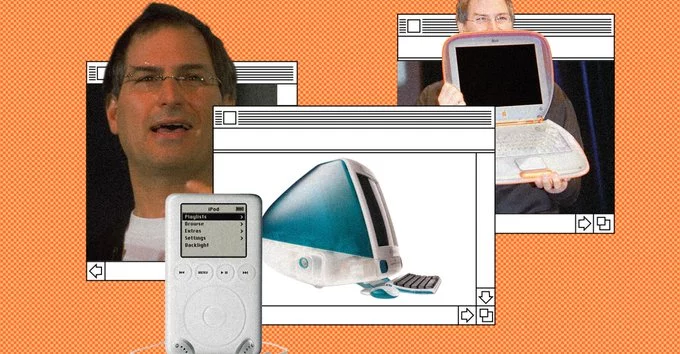
Steve Jobs’ return to Apple sparked one of the most remarkable product streaks in tech history. Many people search for how Apple went from near collapse to global dominance—and the answer lies in a decade of bold innovation. From the colorful iMac to the revolutionary iPod, Apple consistently delivered category-defining products. This era didn’t just revive a company; it reshaped consumer technology and set new standards for design, usability, and brand loyalty.
When Steve Jobs returned to Apple in 1997, the company was struggling to survive. Product lines were confusing, innovation had stalled, and competitors were pulling ahead. Jobs immediately simplified Apple’s strategy, cutting unnecessary products and focusing on a few high-impact ideas. This clarity allowed teams to innovate faster and more effectively.
One of the most important shifts was a renewed focus on user experience. Jobs believed technology should be intuitive and beautiful, not complicated. That philosophy became the foundation for Apple’s resurgence. It also set the stage for a decade of products that would redefine the tech landscape.
The launch of the iMac marked the beginning of Apple’s comeback story. Its colorful, all-in-one design stood out in a market dominated by beige boxes. More importantly, it was easy to set up and use, appealing to everyday consumers rather than just tech enthusiasts.
The iMac wasn’t just a design statement—it was a strategic shift. It proved that computers could be both functional and stylish. Sales surged, and Apple regained relevance in the personal computing market. This success gave the company the confidence and resources to push even further.
Following the iMac, Apple introduced the iBook, bringing innovation to portable computing. The iBook emphasized wireless connectivity and user-friendly design, making it a standout in the growing laptop market. It also reinforced Apple’s commitment to simplicity and accessibility.
This move into mobility was crucial. It showed that Apple wasn’t just recovering—it was anticipating the future. By focusing on how people actually used technology, the company created products that felt ahead of their time. The iBook helped expand Apple’s audience and solidify its position as a design leader.
The release of the iPod marked a turning point not just for Apple, but for the entire music industry. Compact, sleek, and incredibly easy to use, the iPod transformed how people carried and listened to music. It wasn’t the first MP3 player, but it was the first to truly get everything right.
What made the iPod special was its ecosystem. Seamless integration with software and a focus on user experience made it stand out from competitors. It quickly became a cultural phenomenon, turning Apple into a major player beyond computers. This success also laid the groundwork for future innovations in digital media.
For nearly ten years, Apple maintained an extraordinary streak of successful products. Each launch built on the last, creating a cohesive ecosystem that kept users engaged. This consistency wasn’t luck—it was the result of disciplined strategy and bold decision-making.
Jobs demanded excellence and wasn’t afraid to take risks. He focused on a few key products rather than spreading resources too thin. This approach allowed Apple to refine every detail, from design to functionality. It also created a strong emotional connection with customers, something few companies achieve.
The legacy of this product streak continues to influence the tech industry today. Companies now prioritize design, user experience, and ecosystem integration—principles that Apple championed during this era. It also proved that a struggling company can reinvent itself with the right leadership and vision.
Steve Jobs’ greatest run of products wasn’t just about innovation—it was about clarity, focus, and understanding what users truly want. That combination turned Apple into one of the most influential companies in the world. Even years later, this decade remains a blueprint for success in technology.










Comment