Alerts

-
5 minutes, 6 seconds
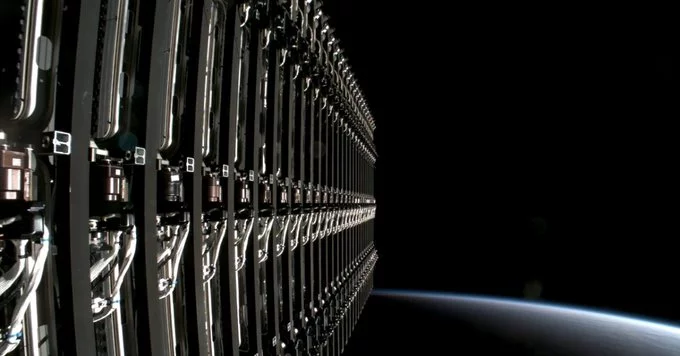
A new Starlink satellite explosion has raised urgent questions about space safety, debris risks, and satellite reliability. SpaceX confirmed it lost contact with one of its satellites after an unexplained “anomaly,” leaving experts scrambling to understand what went wrong. Early tracking data suggests the satellite may have broken apart in orbit, echoing a similar incident just months ago. For anyone asking whether space is becoming more dangerous, this latest event adds to growing concerns.
According to SpaceX, communication with the satellite suddenly stopped after it experienced an unexpected malfunction. While the company has not disclosed the exact cause, independent tracking firm LeoLabs reported detecting multiple objects near the satellite immediately after the event.
This strongly suggests the satellite fragmented in orbit, possibly due to an internal failure or collision. Such breakups can create dozens of fast-moving debris pieces, each capable of damaging other spacecraft. The lack of detailed information has only fueled speculation about what triggered the anomaly.
This is not the first time a Starlink satellite has failed in a dramatic way. A similar unexplained incident occurred in late 2025, raising concerns about whether these events are isolated or part of a broader pattern.
With thousands of satellites already deployed, SpaceX operates the largest satellite constellation in orbit. That scale brings both innovation and risk. Even rare failures can become significant when multiplied across such a vast network. Observers are now watching closely for signs of systemic issues.
Despite the alarming nature of the explosion, NASA and SpaceX have reassured the public that there is no immediate danger. Current analysis shows no added risk to the International Space Station or its crew.
Additionally, upcoming missions—including Artemis II—are not expected to be impacted. However, experts emphasize that continuous monitoring is essential, as even small debris fragments can travel at extremely high speeds and cause damage.
The Starlink satellite explosion highlights a much larger issue: space debris. Every breakup event increases the number of objects orbiting Earth, making space traffic management more complex.
Low Earth orbit is becoming increasingly crowded, not just with Starlink satellites but also with spacecraft from governments and private companies worldwide. Collisions between debris can trigger a chain reaction known as the Kessler Syndrome, potentially making some orbits unusable.
As mega-constellations expand, the pressure to improve satellite durability and end-of-life disposal strategies is intensifying. Incidents like this serve as a reminder that space is not an unlimited resource.
For SpaceX, the incident comes at a time when Starlink is rapidly scaling to deliver global internet coverage. Reliability and safety are critical to maintaining trust in the system.
While occasional failures are expected in complex space operations, repeated unexplained events could attract regulatory scrutiny. Governments and international bodies may push for stricter safety standards and transparency.
Ultimately, the success of satellite internet depends not just on coverage and speed, but also on how safely these systems operate in an increasingly crowded orbit.
The latest Starlink satellite explosion is more than just a technical failure—it’s a signal to the entire space industry. As humanity relies more on satellites for communication, navigation, and exploration, the stakes continue to rise.
Companies and agencies must balance innovation with responsibility, ensuring that progress does not come at the cost of long-term orbital safety. For now, all eyes remain on SpaceX as it investigates what caused yet another mysterious failure in space.










Comment