Smartphone Photography Is Everywhere – But at What Cost?
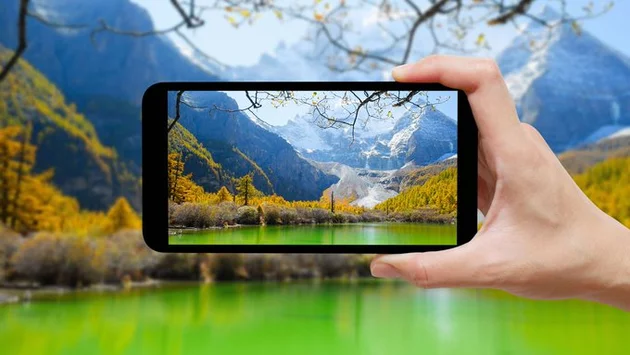
Smartphone photography has transformed the way we communicate, remember, and share our lives. With a tap, we can capture a fleeting moment, document a memory, or instantly share our experiences with friends and family. But with more than five billion photos taken every single day, many are beginning to ask: are we taking too many pictures, and what is the unseen impact of this endless digital flood?
Photos no longer exist as rare keepsakes. They have become a constant, effortless part of daily life, embedded into social media, messaging, and even work communication. While this makes capturing life easier than ever, it also raises questions about storage, environmental impact, and the way we perceive our own memories.
Trillions of Images, Limited Space
The sheer volume of photography today is staggering. Modern smartphones, even budget models, often feature 50-megapixel cameras capable of producing 10–15MB images in a single shot. Multiply that by billions of users snapping multiple photos each day, and the result is an overwhelming digital backlog.
Cloud storage offers some relief, but it comes with costs. Free storage plans have limits, while premium services can become expensive over time. Beyond finances, the environmental impact of storing trillions of digital images is rarely considered. Servers require massive amounts of electricity, contributing to global energy consumption and carbon emissions.
Mental Load of Endless Photography
It isn’t just storage that suffers. The psychology of constant photography is shaping our memories and attention. Research suggests that photographing experiences excessively can reduce our ability to remember them vividly. Instead of fully engaging with a moment, we may focus more on capturing it perfectly for the future, creating a paradox where memories are less lived and more archived.
This mental load extends to social media, where the pressure to capture and share high-quality images adds stress and fuels comparison. While smartphones make photography easy, the psychological consequences of documenting every detail of life are only beginning to be understood.
The Environmental Footprint of Our Digital Memories
Every photo uploaded, stored, or shared contributes to energy usage. Data centers hosting billions of images consume enormous amounts of electricity, often generated from fossil fuels. From servers to networks, the carbon footprint of global digital photography is surprisingly large.
Some companies are exploring ways to make storage more energy-efficient, but the pace of image creation continues to outstrip sustainability efforts. As smartphones evolve and sensors become even sharper, each new generation of devices only amplifies the problem.
Finding Balance in a Photo-Saturated World
Photography remains an essential form of communication and self-expression. The key is mindful usage. Reducing unnecessary duplicates, organizing digital archives, and occasionally disconnecting from constant photo sharing can help users reclaim their time, mental space, and contribute to a smaller environmental footprint.
Instead of viewing every moment through a lens, learning to experience life fully before capturing it might be the ultimate remedy. Technology gives us incredible tools, but awareness of their impact ensures that our memories remain meaningful, sustainable, and truly ours.











Comment