
Alerts
-
5 minutes, 18 seconds
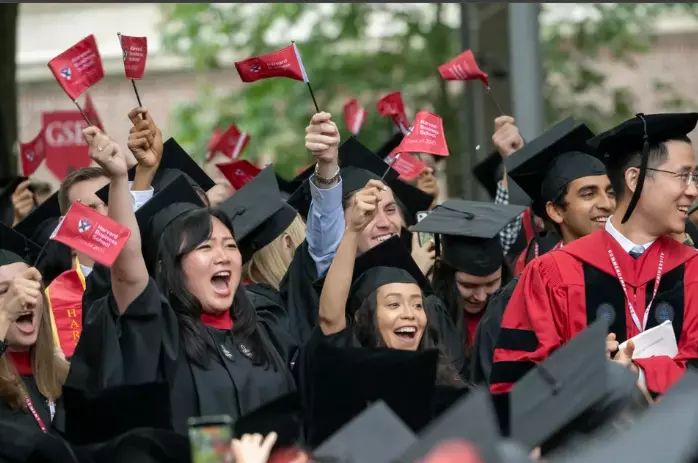
Congratulations, Class of 2026! You are entering a tough entry-level job market. The Cengage Group's 2025 Graduate Employability Report found that only 30% of recent graduates find jobs in their field, and 48% feel unprepared to apply. But here is the good news: the skills that will actually get you hired can be built right now. Most have little to do with your GPA or major. In the age of AI, the most competitive graduates are not the ones who know the most. They are the ones who can think, connect, adapt, and ask better questions than any algorithm.
The skills gap is real. It is the gap between what employers want and what colleges think they taught you. While nearly 9 in 10 educators believe their students are workforce-ready, almost half of graduates say they feel unprepared to apply for entry-level jobs.
Technical skills get you in the door. Human skills keep you there and move you up.
Marty Grimminck, CEO of International Connector, has spent over 20 years in workforce development. She says: "What consistently stands out to employers are skills like communication, adaptability, confidence, professionalism, and the ability to engage with different kinds of people and situations."
From conversations with hiring leaders across industries, skills like emotional intelligence, resilience, and curiosity are in high demand.
As one senior talent leader at Verizon put it: "It's easier to teach someone a technical skill than how to be resilient and find creative solutions to problems. That's why candidates must highlight their appetite for continuous growth and intellectual curiosity."
Let's stop calling them soft skills. Career development experts now call empathy, critical thinking, and collaboration "power skills." Proficiency in all three is required to succeed in most jobs. And these are precisely the skills many graduates currently lack.
Elyse Klaidman, CEO of Xperiential, says: "Most students have fewer opportunities to practice these skills in meaningful ways. In the era of AI, these skills have to become core."
Empathy is the ability to see, understand, and feel another person's perspective. In remote and hybrid environments, empathy bridges the gap when you cannot read body language. It shows up in how you write an email, give feedback, and ask for help.
To demonstrate it: Show examples of working with diverse groups. Take genuine interest in the interviewer. Share a time you received difficult feedback and how you moved forward.
Employers want graduates who ask better questions, not just ones who know more answers. Curiosity drives innovation and helps teams adapt when the playbook changes. The students who stand out are not always the ones with perfect credentials—they are the ones who ask thoughtful questions and adapt when things don't go perfectly.
Action tip: Show up to interviews with informed questions. Propose ideas nobody asked for. Volunteer to investigate something nobody has figured out yet.
AI can generate answers. It cannot tell you which answer matters or what to do when the situation does not fit a template. That is where critical thinkers win. NACE's Job Outlook 2025 survey found a 25 percentage point gap between how proficient students believe they are in critical thinking and how employers rate them.
Resilience is the ability to experience highs and lows and return quickly to equilibrium. It is built through experience, not just the classroom. Employers watch for this in early-career candidates.
Klaidman notes: "Students have become used to environments where work is graded once, rather than repeated cycles of feedback and revision."
Action tip: Talk about times you faced a curveball and how you responded—whether a layoff, an irate customer, or a personal challenge.
In remote and hybrid work, communication is everything. The ability to write clearly, speak confidently, listen actively, and collaborate across difference helps a new graduate shine.
Grimminck sees this firsthand: "Many young people are digitally fluent but haven't developed the interpersonal confidence that comes from in-person interaction."
Action tip: Practice writing professional emails. Volunteer to run or recap a meeting. Follow up on conversations in writing to signal reliability.
The first job is hard. Expect ambiguity, feedback that stings, and moments where you feel you do not belong. This is normal. It is not a signal to quit. It is a signal to get curious.
Empathy for yourself means giving yourself grace through the learning curve. Empathy for others means recognizing your manager is also navigating pressure. If you are entering a remote role, connection does not happen automatically. Reach out, show up, follow up.
Pick a question your intended industry has not fully answered. Use AI to gather data, but apply your own analysis. Write it up and share it. This signals curiosity, critical thinking, and comfort with ambiguity—exactly what hiring managers say they cannot find enough of.
Replace "What should I know?" with "What problem is this team trying to solve that nobody has cracked yet?" Questions that drive toward impact signal strategic thinking and make you memorable.
Seek out a role, project, or volunteer experience that puts you in relationship with people whose backgrounds differ from yours. Empathy is a practiced skill, not a personality trait. The graduates who can demonstrate empathy in interviews will stand out.
AI is not your competition. Rigidity is. The graduates who will thrive are the ones who stay curious, keep connecting, embrace discomfort as a teacher, and lead with both empathy and accountability from day one. Your degree got you to the starting line. What you do with your humanity is what will carry you forward.










Comment