
Alerts
-
3 minutes, 29 seconds
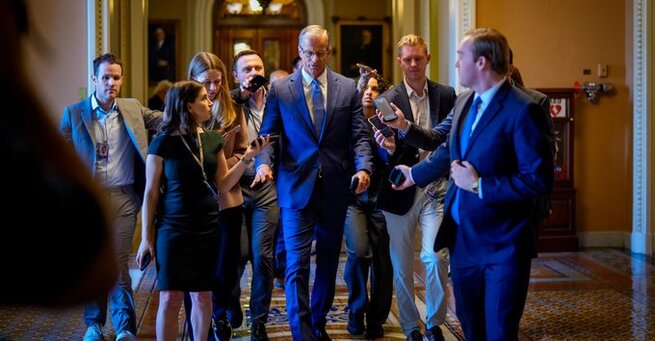
Why the Senate Dropped the AI Law Moratorium from Trump’s Tech Bill
The Senate AI law moratorium is no longer part of former President Donald Trump’s sweeping tech and budget bill. In a 99–1 vote, the U.S. Senate removed the proposed 10-year ban that would have blocked states from creating their own AI regulations. This decision marks a major victory for lawmakers—especially Republicans—concerned about federal overreach and Big Tech protections. With bipartisan support, the Senate rejected the idea that the federal government should limit state efforts to regulate AI tools, automated decision-making, and generative technologies.
Senate AI law moratorium faced fierce GOP backlash
Although Republicans originally supported the moratorium as part of Trump’s “One, Big, Beautiful Bill,” internal divisions quickly surfaced. Senator Marsha Blackburn led the opposition, striking an initial deal with Senator Ted Cruz to reduce the moratorium to five years. However, after facing intense pushback from populist voices like Steve Bannon and Mike Davis, Blackburn reversed course. Instead, she joined Democrats in backing an amendment that fully scrapped the AI restriction. Many Republicans—like Senators Josh Hawley and Rand Paul—agreed the moratorium risked overriding critical state-level protections, especially those concerning child safety and AI-generated likenesses.
State leaders and GOP senators aligned against the AI ban
The proposal drew condemnation from 37 state attorneys general and 17 governors, including Arkansas Gov. Sarah Huckabee Sanders. They warned that the Senate AI law moratorium would erase vital state powers and jeopardize online safety efforts. Tennessee’s 2024 law protecting citizens from AI misuse became a rallying point, with critics arguing the bill’s vague definitions could undermine a wide range of existing legislation. Even conservative lawmakers known for supporting tech regulation found common ground with Democrats in defense of local control over AI enforcement.
What’s next for federal AI legislation in the U.S.?
With the AI moratorium stripped from the bill, attention now shifts back to the broader budget reconciliation vote. If passed, the updated bill—free from federal restrictions on state AI laws—will head to the House, and then to President Trump’s desk. Still, debates over AI oversight are far from over. Lawmakers on both sides now face the challenge of balancing national standards with state-level innovation, all while responding to the fast-evolving AI landscape. One thing is clear: any future federal AI legislation will need to respect states’ rights to protect their citizens.










Comment