Alerts

-
4 minutes, 58 seconds
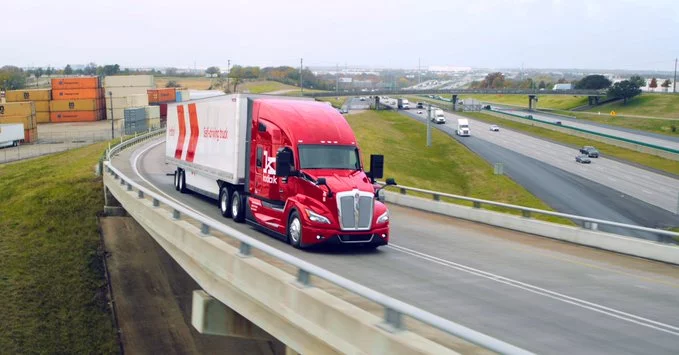
Self-driving trucks are advancing fast, but making them drive autonomously is only half the challenge. As companies push toward fully driverless freight operations by 2026, the real question is how these vehicles will function in the real world. From logistics coordination to safety systems, the road ahead is far more complex than simply removing the driver.
The CEO of Kodiak Robotics has made it clear that autonomy alone won’t guarantee success. While the technology behind driverless systems has improved significantly, scaling it into a reliable, efficient freight network requires solving a wide range of operational problems.
Autonomous driving systems have reached a point where trucks can navigate highways with minimal human input. However, real-world freight operations involve much more than staying in a lane or avoiding obstacles. Weather conditions, unexpected road hazards, and complex delivery routes still pose significant risks.
Beyond driving, companies must ensure that trucks can handle edge cases—rare but critical situations that demand quick decision-making. These scenarios often require human judgment, which remains difficult to replicate with artificial intelligence. As a result, even the most advanced systems need extensive testing and refinement before widespread deployment.
Another challenge lies in public trust. Many people remain skeptical about sharing the road with fully autonomous trucks. Building confidence will require consistent safety records, transparency, and clear communication about how these systems work.
Even if trucks can drive themselves flawlessly, logistics remains a major hurdle. Freight operations depend on a complex network of scheduling, maintenance, and coordination. Removing the driver shifts these responsibilities onto technology platforms and remote support systems.
For example, loading and unloading cargo still requires human involvement in most cases. Coordinating these tasks without a driver on-site introduces new layers of complexity. Companies must develop systems that can seamlessly connect autonomous vehicles with warehouses, distribution centers, and human workers.
Fleet management is another critical piece. Monitoring truck performance, predicting maintenance needs, and responding to emergencies all become more challenging without a driver present. This means companies must invest heavily in infrastructure, not just vehicles.
The goal of launching fully driverless long-haul operations by 2026 is ambitious but not impossible. Companies like Kodiak Robotics are focusing on controlled routes, such as highway corridors, where conditions are more predictable. This approach allows them to gradually expand capabilities while minimizing risk.
Partnerships with logistics providers are also playing a key role. By integrating autonomous trucks into existing supply chains, companies can test and refine their systems in real-world conditions. This incremental rollout strategy is expected to accelerate adoption while addressing safety and efficiency concerns.
However, scaling remains a significant challenge. Expanding from limited pilot programs to nationwide operations will require regulatory approval, infrastructure upgrades, and continued technological advancements.
The push toward self-driving trucks signals a major shift in the freight industry. If successful, autonomous trucking could reduce costs, improve efficiency, and address driver shortages. These benefits have the potential to reshape how goods are transported across long distances.
At the same time, the transition raises important questions about jobs, safety, and regulation. Policymakers and industry leaders will need to work together to ensure that the rollout of autonomous technology is both responsible and sustainable.
Ultimately, the future of self-driving trucks depends on more than just the vehicles themselves. Solving the broader ecosystem challenges will determine whether this technology can truly transform the logistics industry—or remain stuck in the testing phase.










Comment