Alerts

-
5 minutes, 51 seconds
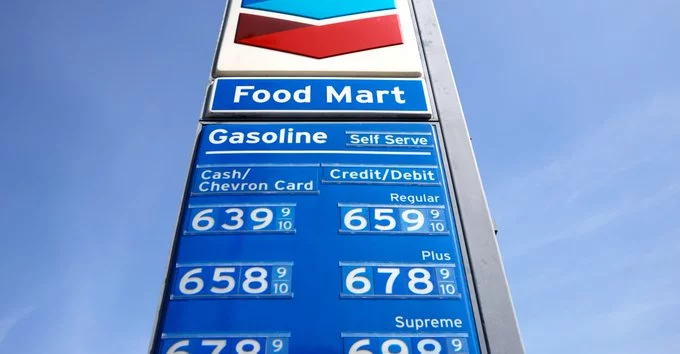
Rising gas prices are once again pushing consumers toward electric vehicles (EVs), sparking a noticeable uptick in demand. Many drivers searching for ways to cut fuel costs are turning to EVs as a practical alternative, especially as petrol prices climb toward uncomfortable levels. The logic is simple: higher fuel costs make electric driving more appealing. However, industry experts suggest this boost may only be temporary, as long-term buying habits are shaped by more than just fuel prices.
Short-term spikes in gas prices often trigger immediate consumer reactions. Buyers who were already considering an EV may accelerate their decision, while others begin exploring hybrid or fully electric options for the first time. This pattern has repeated itself in previous fuel price surges, indicating a clear but temporary behavioral shift.
When fuel prices rise, the total cost of owning a traditional petrol-powered car becomes harder to ignore. Daily commutes, long drives, and even routine errands suddenly feel more expensive. EVs, by contrast, offer lower running costs, with electricity typically being cheaper and more stable in price.
This cost advantage becomes especially noticeable for high-mileage drivers. Over time, the savings on fuel can offset the higher upfront cost of an EV. Additionally, maintenance costs for electric vehicles are generally lower due to fewer moving parts, which adds to their appeal during periods of economic pressure.
Despite the surge in EV interest, rising gas prices alone are unlikely to end the long-standing popularity of large SUVs and trucks. Many consumers still prioritize space, power, and versatility over fuel efficiency. Even with fuel costs climbing, these preferences remain deeply ingrained.
Automakers continue to respond to this demand by producing larger vehicles, including electric SUVs and trucks. This shift shows that while consumers may be open to electrification, they are not necessarily willing to compromise on size or performance. In other words, the transition to EVs is happening—but on consumers’ terms.
While rising gas prices can spark interest in EVs, several barriers still limit widespread adoption. One of the biggest concerns is the availability of charging infrastructure. Many potential buyers worry about where and how they will charge their vehicles, especially in areas with limited public charging options.
Upfront cost is another major factor. Although EV prices are gradually becoming more competitive, they still tend to be higher than traditional vehicles. For budget-conscious buyers, the initial investment can outweigh the long-term savings. Range anxiety, or the fear of running out of battery before reaching a charging station, also continues to influence purchasing decisions.
Car manufacturers are actively leveraging the renewed interest in EVs by expanding their electric lineups. New models are being introduced across various price points, offering consumers more choices than ever before. From compact city cars to full-size electric trucks, the market is rapidly evolving.
Marketing strategies are also shifting to highlight the cost-saving benefits of EV ownership during periods of high fuel prices. By emphasizing long-term value and environmental benefits, automakers aim to convert short-term interest into lasting demand.
Rising gas prices may act as a catalyst for EV adoption, but they are not a permanent solution for driving long-term growth. Once fuel prices stabilize or decrease, some consumers may revert to traditional vehicles, especially if other barriers remain unresolved.
For the EV market to sustain its momentum, improvements in infrastructure, affordability, and consumer education will be essential. Without these changes, the current surge could fade as quickly as it began.
Rising gas prices highlight the growing appeal of electric vehicles, but they also reveal the complexities of changing consumer behavior. While EV adoption is increasing, it is influenced by a combination of economic, practical, and emotional factors.
The future of transportation will likely include a mix of electric and traditional vehicles for years to come. Gas prices may continue to nudge consumers toward EVs, but lasting change will depend on solving the deeper challenges facing the industry.









Comment