Alerts

-
3 minutes, 23 seconds
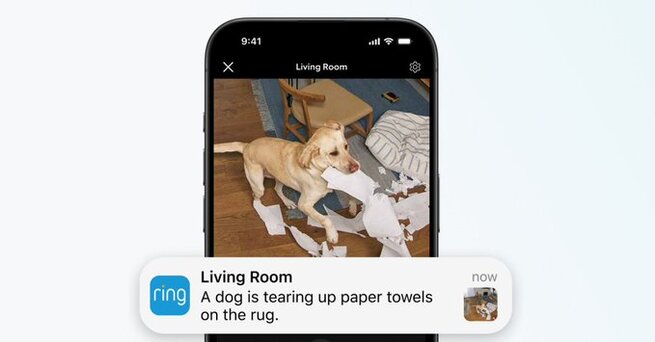
Ring video descriptions just got a powerful AI upgrade
Ring has introduced AI-powered video descriptions that make motion alerts smarter and more useful. Instead of vague messages like “motion detected,” users will now receive specific alerts such as “a person with a broom is leaving” or “a dog is tearing up paper towels.” This new feature, called Ring Video Descriptions, brings more clarity to camera notifications, helping users decide instantly whether a situation requires attention. Rolling out in beta for Ring Home Premium subscribers in the US and Canada, this update enhances the utility of your smart home security setup by turning raw footage into useful context.
Smarter security with ring video descriptions
With ring video descriptions, the system now delivers clear, actionable notifications by describing the main subject and their activity. Whether it's identifying someone leaving your home with cleaning tools or your pet causing chaos indoors, these real-time summaries save you from loading the entire video unless it’s truly necessary. This update is part of Ring’s broader AI initiative, joining features like Smart Video Search, which already lets users ask their Ring app questions like “Did someone open the garage yesterday?”
Ring video descriptions powered by context-aware AI
According to Ring’s founder Jamie Siminoff, the goal is to provide only relevant, concise alerts. Eventually, Ring aims to merge multiple alerts into one and roll out anomaly detection, learning your home’s routine and notifying you only when something unusual occurs. This helps combat notification fatigue and makes monitoring your home more efficient. Instead of dozens of unnecessary alerts, you’ll only get ones that matter—like the unexpected presence of your pet where it shouldn’t be.
The future of AI-driven smart home alerts
Ring video descriptions aren’t alone in this AI leap. Arlo, Wyze, and Google Nest have also launched similar smart alert systems. However, some like Google and Arlo take it a step further with facial recognition, identifying specific individuals in notifications. These improvements not only boost home security but also integrate with broader smart ecosystems. Imagine Alexa Plus reacting to alerts with automated actions. However, with more detail comes more responsibility—users must remain mindful of privacy and accuracy, ensuring AI helps rather than hinders. Still, this marks a promising evolution in how we interact with our smart home devices.









Comment