
-
3 minutes, 32 seconds
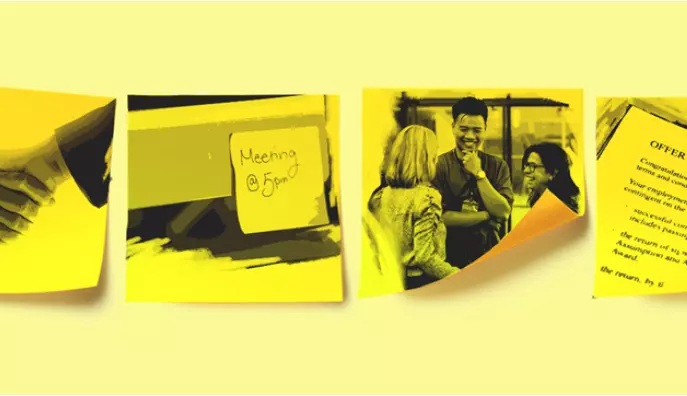
The old playbook for early career success used to be simple: go to college, land an entry-level job, work your way up. But today, that playbook is being rewritten. With artificial intelligence reshaping many entry-level roles and hiring down 20% from pre-pandemic levels, young professionals need more than just a degree. Success now demands resilience, adaptability, and a willingness to take chances.
The labor market looks different than it did a decade ago. Many entry-level tasks are now automated, and employers are looking for people who can bring human skills like creativity, emotional intelligence, and flexibility. That's why the first year of your career is about proving you can learn and grow, not just ticking boxes.
Workplace leaders and career experts say these seven strategies can help you build a strong foundation:
Mixing work with travel is tempting. But before you pack your laptop, check your company policy and think about time zones, internet reliability, and your workload. Executive coach Caroline Castrillon says it's important to plan ahead so you can actually enjoy your trip without hurting your career.
LinkedIn now has a button to report AI slop, which changes how people use the platform. Career expert William Arruda suggests five steps to boost your visibility: share your own insights, comment thoughtfully on others' posts, post consistently, use multimedia, and engage with your network. Be authentic, not artificial.
More companies are using AI for interviews. Some candidates find it impersonal or cold. Career expert Colleen Batchelder says it's important to weigh the pros and cons. If you're asked to do an AI interview, prepare as you would for a human one, and ask yourself whether the company's approach aligns with your values.
Feeling comfortable speaking up at work is crucial. Leadership expert Kate Wieczorek says there are six signs you work in a psychologically safe environment: you can ask questions without fear, admit mistakes, share ideas, disagree respectfully, ask for help, and be your true self. If your workplace lacks these, it might be time to look elsewhere.
Women now hold nearly as many jobs as men in the U.S., according to the Indeed Hiring Lab. But the gender wage gap remains. In 2024, women earned about 85% of what men earned, up from 81% in 2003. Some companies, though, are making real progress. Forbes, with Statista, surveyed 146,000 women to create its 2026 list of America's Best Employers for Women. The top five are:
These employers shine in areas like pay equity, career development, parental leave, and work-life balance. If you're a woman starting your career, consider companies that actively support women's advancement.
According to a recent Indeed and YouGov survey, 45% of employers are actively seeking AI-native talent—people who are highly skilled with AI tools. Yet only 19% of employees feel fluent in AI. Gen Z is the most fluent generation. This is a huge opportunity: if you build AI skills now, you'll be ahead of the curve.
The playbook for early career success has changed. But with resilience, adaptability, and a willingness to learn, you can write your own playbook and thrive in today's economy.

7.9K articles

1.4K articles

34 articles

28 articles














Comment