Alerts

-
5 minutes, 34 seconds
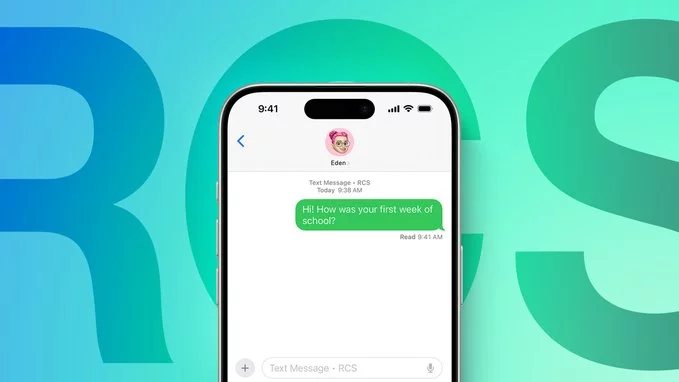
Messaging between iPhone and Android users may soon feel more seamless, thanks to a new RCS update that introduces support for interoperable video calls through messaging apps. The upgrade, part of the RCS Universal Profile 4.0 standard, is designed to reduce fragmentation between platforms and improve real-time communication. Many users have long asked whether iPhone and Android video calls could work natively without third-party apps. This development suggests a future where cross-platform video calling becomes a built-in messaging feature rather than a workaround.
The RCS update behind Universal Profile 4.0 builds on years of messaging improvements aimed at making communication more consistent across devices. RCS has already enabled features like read receipts, typing indicators, and higher-quality media sharing across supported platforms. With Universal Profile 4.0, the standard expands further into real-time video communication capabilities within messaging environments. This means messaging apps could eventually support video calling natively without relying on external services.
If widely adopted, the RCS update could allow users on iPhone and Android to initiate video calls directly from their messaging conversations. Instead of switching to separate apps, users would stay inside their default messaging interface while connecting face-to-face in real time. This approach could simplify communication for families, friends, and remote teams who rely on mixed devices. It also reduces dependency on multiple third-party apps, making communication more unified and efficient.
For everyday users, the RCS update represents a shift toward simpler and more integrated communication across platforms. It reduces friction caused by incompatible systems and encourages a more connected digital experience. Users may no longer need to install multiple apps just to talk or video chat with different contacts. This change could also benefit businesses that depend on fast and reliable customer communication channels.
As RCS continues to evolve, developers are likely to explore deeper integration of voice and video features across ecosystems. The RCS update may also push major platforms to rethink how they handle real-time communication standards. This could encourage more competition and innovation in messaging technology worldwide. However, full adoption will depend on cooperation between device manufacturers and software providers.
Overall, the RCS update marks an important step toward bridging long-standing gaps between iPhone and Android communication ecosystems. By introducing Universal Profile 4.0 with support for interoperable video calls, the standard moves closer to a unified messaging experience that many users have requested for years. Although the feature is not yet widely available, its direction signals a significant shift in how cross-platform communication may evolve in the near future. Users could eventually experience video calls that work seamlessly across devices without needing to think about which operating system they are using. This level of simplicity would not only enhance personal communication but also improve productivity for professionals who rely on constant connectivity. As adoption grows and more platforms align with the standard, the dream of truly seamless cross-device video communication may finally become reality. At the same time, challenges such as device compatibility, carrier support, and implementation timelines may slow down widespread rollout, meaning users should expect gradual progress rather than an overnight change. In the long run, this RCS update could redefine how people think about messaging apps, turning them from separate tools into a shared communication layer that works effortlessly across all devices, while also encouraging developers to build richer and more interactive communication features that go beyond traditional texting and calling experiences, which may ultimately shift industry expectations and push messaging platforms toward deeper integration, improved accessibility, and more consistent user experiences across global networks over time as standards mature and adoption becomes more widespread across global markets and users. Ultimately, the success of this RCS update will depend on industry cooperation, user adoption, and consistent implementation across different platforms and regions worldwide shaping the future of everyday digital communication experiences.









Comment