
Alerts
-
7 minutes, 33 seconds
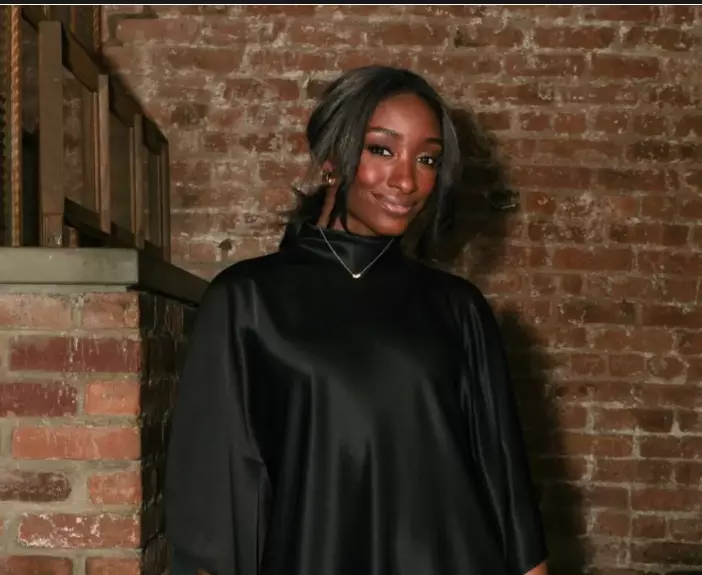
Publicists becoming creators is one of the most surprising shifts in today’s creator economy. Once operating behind the scenes, communications professionals are now stepping into the spotlight, building personal brands and audiences of their own. This transition answers a growing question: who really controls influence in modern media? Increasingly, it’s not just influencers—it’s the insiders who already understand how attention works. With deep expertise in storytelling and brand positioning, publicists are leveraging their skills for themselves. The result is a powerful new wave of creators entering the market with strategy, not guesswork. And it’s changing how success is built online.
The creator economy is often described as open to anyone with a smartphone and an idea. While that’s partly true, the reality is far more complex. Earnings remain highly uneven, with a small percentage of creators capturing most of the revenue. Many struggle to monetize their content sustainably. This environment increasingly mirrors traditional media—competitive, top-heavy, and difficult to break into. That’s where publicists and media insiders gain a clear advantage. They already understand how to secure visibility and maintain relevance. In a crowded digital space, that knowledge is becoming a decisive edge.
Publicists are trained to shape narratives, manage reputations, and secure media placement. These are the same skills required to succeed as a creator. Instead of learning through trial and error, they enter the space with a proven playbook. They know how to pitch themselves, negotiate brand deals, and protect their image as they scale. This strategic mindset allows them to grow faster and more intentionally. Unlike many creators, they treat content as part of a broader business model. That difference is helping them stand out in an increasingly saturated market.
Professionals such as Tiffani Singleton are redefining what it means to be a creator. After building a career in corporate communications, she transitioned into content creation with a strong strategic foundation. Her growth wasn’t accidental—it was informed by years of experience in branding and storytelling. By combining relatable content with business insight, she has built a loyal audience across platforms. Her collaborations, including work with Taryn Delanie Smith, highlight how chemistry and strategy can drive success. Together, they’ve expanded into podcasts, video series, and brand partnerships. What looks like organic growth is actually carefully structured expansion.
For many publicist-turned-creators, content is just the starting point. The real goal is building a scalable media ecosystem. This includes podcasts, live events, brand collaborations, and digital products. By diversifying income streams, they reduce reliance on any single platform. This approach reflects a deeper understanding of how unstable digital attention can be. Instead of chasing trends, they focus on long-term brand building. As a result, their careers are more resilient and adaptable. This shift signals a move from short-term virality to sustainable influence.
The trend is not limited to a few standout names. Communications professionals across industries are beginning to embrace content creation. For example, Tikiyah Overstreet has transitioned from behind-the-scenes brand building to sharing her expertise publicly. By showcasing her work and personality, she connects directly with audiences while promoting her business ventures. This move reflects a broader realization: visibility is now essential for growth. Social media is no longer optional—it’s a core business tool. Those who use it effectively can unlock new opportunities and revenue streams.
As publicists become creators, authenticity takes on a new meaning. It’s no longer just about being relatable—it’s about maintaining trust while scaling a brand. Audiences expect genuine content, even as creators monetize their platforms. This creates tension between growth and integrity. Publicists, however, are uniquely equipped to navigate this balance. They understand how narratives evolve and how audiences respond to them. By applying this knowledge, they can sustain authenticity while expanding their reach. It’s a skill set that gives them a significant advantage.
The rise of publicists as creators reflects a larger shift in how work is defined. Traditional roles are merging in unexpected ways. Today, the strategist is also the storyteller, and the creator is also the brand manager. This convergence is especially visible in long-form content like podcasts and digital shows. These formats are increasingly competing with traditional media platforms. As a result, individuals—not institutions—are gaining more control over distribution and influence. The media landscape is becoming more decentralized, but also more strategic.
The transformation of publicists into creators signals a deeper change in where power resides. Influence is no longer limited to established institutions or legacy media companies. Instead, it’s shifting toward individuals who understand how to build and control their own platforms. Publicists are no longer just shaping stories—they are becoming the story. This evolution is redefining the creator economy and setting new standards for success. As more insiders step forward, the industry itself is being rebuilt from within. And the future belongs to those who know how to create—and control—the narrative.










Comment