
iRobot, the iconic maker of Roomba robot vacuums, has filed for Chapter 11 bankruptcy as its contract manufacturer, Picea Robotics, steps in to take full ownership. The Shenzhen-based company assumed iRobot’s $190 million loan earlier this month and will also forgive $161.5 million owed for robot manufacturing. This move marks a major shift in the smart home landscape, putting Roomba’s future directly in the hands of a global robotics powerhouse.
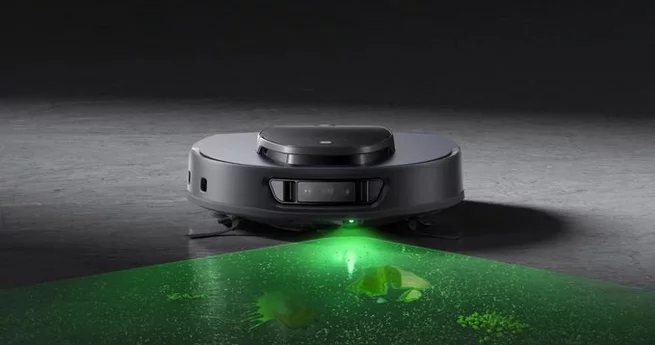
Shenzhen Picea Robotics, also known as 3irobotix, is one of the world’s leading original design manufacturers (ODM) of robot vacuums. Unlike traditional brands, Picea produces devices for a wide range of companies, including iRobot, Shark, and Anker’s Eufy brand. Its own 3i series, including the flagship 3i S10 Ultra, has made waves for advanced cleaning features and competitive pricing.
The acquisition positions Picea to control not only manufacturing but also the marketing and global distribution of Roomba vacuums. Analysts suggest this could streamline production and reduce costs while raising questions about brand identity. Industry observers are closely watching how this will affect product innovation, pricing, and regional availability.
Many popular robot vacuums you see on store shelves are already built by Picea, often without the consumer knowing. Rumors have circulated that the new Dyson Spot & Scrub Ai may also be manufactured by Picea, highlighting the company’s quiet influence across major brands. This underscores its reputation as a behind-the-scenes leader in robotics technology.
iRobot’s restructuring agreement with Picea allows the latter to assume ownership while waiving debt obligations. By taking on both the $190 million loan and the $161.5 million manufacturing debt, Picea reduces iRobot’s financial burden and gains control of its assets. Experts note this strategy is becoming more common as contract manufacturers expand into brand ownership.
For current Roomba users, Picea’s acquisition may bring both opportunities and uncertainty. Improved manufacturing efficiency could lead to better products at lower prices, but longtime fans may worry about potential shifts in design philosophy or after-sales support. Early signals suggest that Picea plans to maintain Roomba’s global presence while gradually integrating its own technology.
Picea Robotics’ move into ownership reflects a growing trend of ODMs expanding beyond production into full brand control. As smart home technology continues to grow, Picea’s expertise and resources could accelerate innovation across the sector. For consumers, this acquisition signals a new era for robot vacuums—one where behind-the-scenes manufacturers step into the spotlight.

𝗦𝗲𝗺𝗮𝘀𝗼𝗰𝗶𝗮𝗹 𝗶𝘀 𝘄𝗵𝗲𝗿𝗲 𝗽𝗲𝗼𝗽𝗹𝗲 𝗰𝗼𝗻𝗻𝗲𝗰𝘁, 𝗴𝗿𝗼𝘄, 𝗮𝗻𝗱 𝗳𝗶𝗻𝗱 𝗼𝗽𝗽𝗼𝗿𝘁𝘂𝗻𝗶𝘁𝗶𝗲𝘀.
From jobs and gigs to communities, events, and real conversations — we bring people and ideas together in one simple, meaningful space.




Comments