Alerts

-
4 minutes, 26 seconds
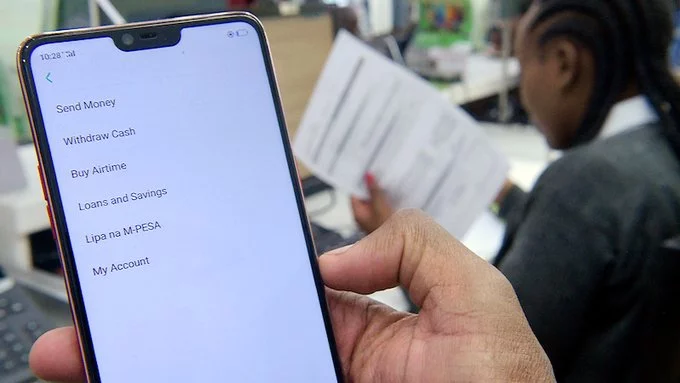
Kenya is witnessing a quiet but powerful shift in how payments are verified. No longer tied to a phone number or a personal handshake, proof of payment increasingly comes as a string of characters: a transaction code. This subtle change is transforming everyday money interactions, giving users privacy while reshaping trust in digital transactions.
The move is more than a technical tweak. By using transaction IDs as the visible proof of exchange, mobile money services like M-PESA are redefining what it means for a payment to “exist” in the real world.
Previously, mobile money systems connected proof of payment directly to identity. Full names and phone numbers were visible, linking every transaction to a specific person. This approach made verification simple but left users exposed to privacy risks.
With recent updates, Safaricom has partially hidden phone numbers and masked user information. Now, the transaction code itself becomes the main evidence that money has changed hands. This approach, known as data minimization, ensures that sensitive personal details remain private while keeping the transaction verifiable.
A transaction ID was once a backend reference for record-keeping. Today, it functions as the front-facing proof that a payment has been made. Whether confirming a business payment or sending money to a friend, the code serves as the official receipt.
For everyday users, this reduces the reliance on phone numbers and personal identifiers. Money is confirmed without revealing who is behind the transaction, creating a safer, more discreet payment environment.
Masking personal data doesn’t just protect privacy—it simplifies transactions. Users no longer need to share phone numbers to prove a payment. A transaction code alone is sufficient, allowing for faster verification and fewer errors in busy marketplaces.
This change also reshapes how businesses and individuals reconcile payments. Instead of manually checking names or numbers, merchants can reference codes, reducing disputes and speeding up record-keeping. It’s a small technical change with large, real-world impact.
Kenya’s mobile money ecosystem is among the most advanced in the world. By prioritizing transaction codes over personal identifiers, the system strengthens trust while maintaining speed and efficiency. Users gain confidence that their money is tracked without exposing them to unnecessary risk.
This approach may also influence financial inclusion. With proof of payment decoupled from identity, more people can safely participate in digital transactions, from urban shops to rural marketplaces. Transaction codes become a universal language of trust, recognized across devices, platforms, and users.
As digital payments evolve, the transaction code is likely to become more than a technical artifact—it may define the new currency of trust in Kenya. For individuals and businesses alike, this shift balances privacy, security, and convenience.
Kenya’s experience illustrates a broader lesson: modern payments aren’t just about moving money—they’re about reshaping how society verifies, trusts, and values every transaction. Transaction codes may appear simple, but their impact on privacy, inclusion, and reliability is profound.










Comment