Alerts

-
8 minutes, 29 seconds
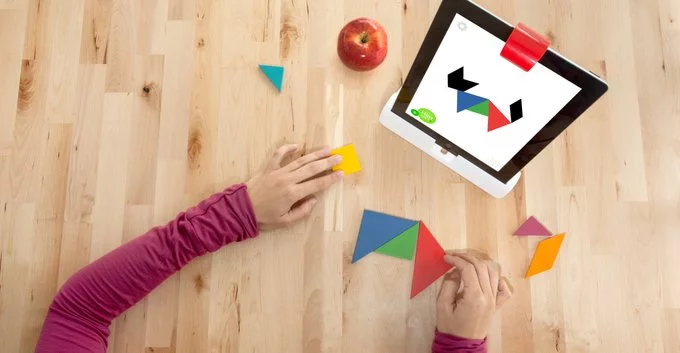
Osmo AR edutainment is making an unexpected comeback after a dramatic collapse that left many fans wondering if the beloved learning platform was gone for good. Former employees have now purchased the company out of bankruptcy and are working to revive the interactive education system that once captured the imagination of millions of children. With renewed leadership and a fresh strategy, Osmo hopes to bring its unique blend of augmented reality and hands-on learning back into classrooms and homes around the world.
Few educational technology products have blended digital interaction with physical play as effectively as Osmo. The platform originally gained attention for turning a simple tablet into a powerful learning tool that combined augmented reality with tangible objects.
Children interacted with puzzle pieces, letter tiles, and numbers placed on a table while a tablet camera tracked their movements in real time. The system responded instantly, creating animations, sounds, and challenges on the screen. This approach made learning feel like a game while still teaching skills such as spelling, math, and problem-solving.
Parents and educators quickly embraced the concept because it encouraged children to step away from passive screen time. Instead of simply tapping a screen, kids manipulated real objects while engaging with digital feedback. That blend of physical and digital learning became the defining feature of Osmo’s success.
The magic behind Osmo’s early appeal came from its surprisingly simple technology. The system required only a tablet, a stand, and a small clip-on mirror that redirected the tablet’s front camera toward the surface of a table.
With that setup, the camera could recognize puzzle pieces, tiles, or drawings placed in front of it. The software then interpreted the objects and responded in the app. Children could recreate shapes using tangram pieces, spell words with letter tiles, or solve math problems with number blocks.
Despite its simplicity, the technology felt futuristic when it first appeared. For many families, Osmo was their first introduction to augmented reality in an educational setting. The experience made learning interactive, tactile, and rewarding—qualities that traditional digital apps often lacked.
Osmo’s rapid popularity eventually attracted major attention in the education technology industry. The company grew quickly and built a loyal customer base among schools and families.
That momentum culminated in a massive acquisition deal when an international education company purchased Osmo for approximately $120 million. The move was seen as a strategic investment designed to expand the platform globally and integrate it into broader digital learning ecosystems.
At the time, many analysts believed the acquisition would accelerate innovation and distribution. With more resources and access to global markets, Osmo seemed positioned to dominate the emerging category of augmented reality learning tools.
Despite those promising expectations, the company’s trajectory changed dramatically when its parent organization experienced severe financial problems. The wider business struggled under massive debt and operational issues that eventually led to a collapse.
When the larger organization began unraveling, Osmo became one of the many casualties. Operations slowed, support weakened, and uncertainty spread across the product’s community of users.
Parents, educators, and longtime fans feared that the platform might disappear entirely. For a product that had helped shape modern educational technology, the potential loss felt significant.
Rather than letting the brand vanish, a group of former employees decided to take action. Recognizing the lasting value of the technology and the strong loyalty of its user base, they moved to acquire Osmo out of bankruptcy.
Their goal was simple but ambitious: bring the product back while preserving what made it special. Many of these team members had been involved with Osmo during its earlier success, giving them firsthand knowledge of the platform’s strengths and challenges.
This employee-led revival is unusual in the technology sector. However, it reflects the deep belief among insiders that Osmo still has enormous potential in the evolving education landscape.
The comeback attempt arrives at a time when interest in interactive learning tools is rising again. Parents and schools are searching for ways to balance screen time with meaningful engagement.
Augmented reality learning platforms offer a compelling solution. They allow students to interact physically with educational materials while receiving real-time digital feedback.
Research continues to show that hands-on learning improves memory retention and problem-solving skills. Systems like Osmo can transform traditional exercises into dynamic experiences that keep children motivated.
With education technology evolving rapidly, the idea of combining physical play with augmented reality remains highly relevant.
The team behind the revival now faces the challenge of rebuilding the company in a competitive edtech market. Technology has advanced significantly since Osmo’s early success, meaning expectations are higher than ever.
Future updates could include improved object recognition, more immersive augmented reality features, and expanded learning content. New versions may also take advantage of modern tablets, AI-powered learning tools, and smarter educational analytics.
Another key priority will likely be reconnecting with educators and parents who once trusted the platform. Rebuilding that community could be essential for Osmo’s long-term growth.
Comebacks in the technology world are rare, especially after bankruptcy. Yet Osmo’s return shows how powerful a well-designed product can be when it leaves a lasting impression on its users.
The platform once helped redefine how children interact with technology during learning. By blending physical objects with augmented reality, it created an experience that felt both educational and playful.
Now, with former insiders leading the revival, Osmo has a second opportunity to prove that AR edutainment can still inspire curiosity and creativity in a new generation of learners.
If the team succeeds, the return of Osmo could mark one of the most interesting comeback stories in the education technology industry.










Comment