Alerts

-
3 minutes, 49 seconds
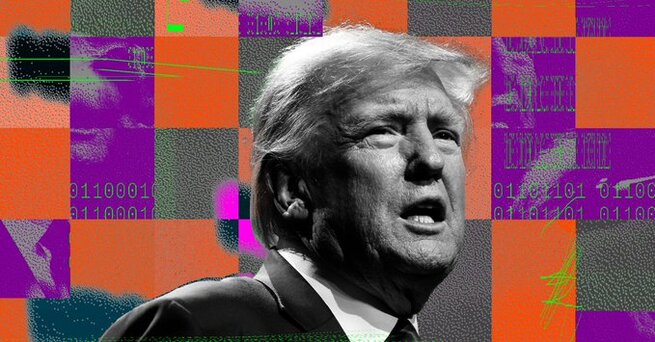
When legal reality collides with online rhetoric, things get messy fast. The ongoing Oregon’s National Guard lawsuit hinges on Trump’s Truth Social posts, which the state argues directly influenced an unlawful federal deployment order. The case raises new questions about how much the law should defer to what one lawyer called “an internet hallucination.”
After a tense call with Oregon Governor Tina Kotek, former President Donald Trump reportedly took to Truth Social, claiming chaos in Portland and suggesting that the state wasn’t doing enough to control it. Hours later, Defense Secretary Pete Hegseth issued an order to federalize 200 members of Oregon’s National Guard — a move that the state immediately challenged in court.
In Friday’s hearing, Oregon and the city of Portland argued for a temporary restraining order to block the deployment. The courtroom became a surreal mix of social media posts and constitutional law, as attorneys debated Section 12406, the Posse Comitatus Act, and the Administrative Procedure Act.
At the heart of the case is whether presidential authority extends to decisions seemingly motivated by online misinformation. Legal experts note that while presidents historically receive “great deference” when federalizing the National Guard, the Oregon’s National Guard lawsuit hinges on Trump’s Truth Social posts — blurring the line between national security and impulsive online behavior.
If the court sides with Oregon, it could set a precedent for limiting executive power influenced by social media content. “We’re seeing the internet’s impact on governance in real time,” one constitutional scholar remarked. The state argues that Trump’s Truth Social statements created a false sense of emergency, undermining both due process and federal-state balance.
Meanwhile, Trump’s team maintains that the posts merely reflected his understanding of televised events — not an official policy directive. Still, as one observer quipped, “It’s hard to tell where TV ends and policy begins.”
This case is not just about Oregon. It’s about the evolving relationship between digital platforms, presidential decision-making, and the rule of law. As Truth Social continues to play a central role in Trump’s public statements, courts now face the unprecedented challenge of distinguishing between online bluster and actionable intent.
The Oregon’s National Guard lawsuit hinges on Trump’s Truth Social posts, but its implications stretch far beyond one state. It may redefine how courts assess executive authority in a time when government actions can be sparked by — or justified through — social media narratives.










Comment