
-
2 minutes, 30 seconds
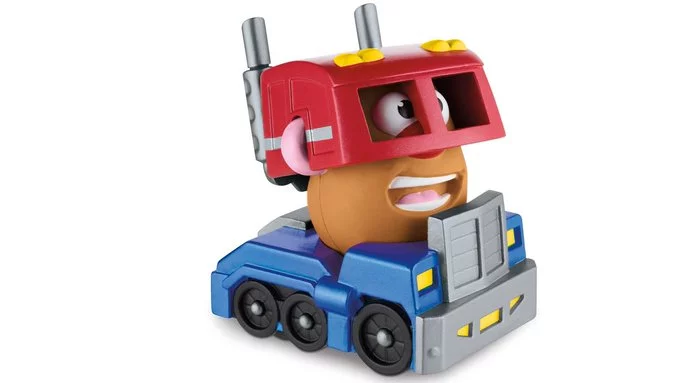
Optimus Prime and Mr. Potato Head are going AI, but some childhood memories should stay untouched. In a surprising move, Hasbro has announced that iconic toys like Optimus Prime and Mr. Potato Head will soon feature artificial intelligence, allowing them to talk, learn, and interact with kids in real-time. While this sounds exciting, many parents and collectors worry that these updates might ruin the simple joy of classic toys.
Artificial intelligence is changing how we play. With AI, toys can respond to voice commands, remember conversations, and even adapt to a child's personality. For example, an AI-powered Optimus Prime could transform and talk like the movie character, while a smart Mr. Potato Head might tell jokes or help with learning.
But here's the catch: these features come with a price. AI toys often require Wi-Fi, apps, and regular updates. They also raise privacy concerns, as they collect data from children.
Many of us grew up with simple toys. We used our imagination to create stories. Optimus Prime was a hero because we made him one. Mr. Potato Head was funny because we moved his parts around. That creativity is hard to replace with a screen or a speaker.
Experts say that unstructured play is vital for child development. When a toy does all the talking, kids may become passive listeners instead of active creators.
Nostalgia is powerful. The Optimus Prime we remember from the 1980s is a symbol of courage, not a digital assistant. Mr. Potato Head reminds us of silly family games, not app updates. Introducing AI into these icons might make them feel less special.
Hasbro's move is part of a larger trend. Many toy companies are adding AI to stay relevant in a digital world. But not every toy needs to be smart. Sometimes, the best memories come from the simplest things.
If you're thinking about buying an AI toy, ask yourself:
For collectors, the value of AI toys is uncertain. Limited editions might be worth something, but mass-produced smart toys often lose value quickly.
AI toys aren't all bad. They can help children learn languages, practice math, or build social skills. The key is balance. Let kids explore both high-tech and low-tech toys. A mix of old and new can give them the best of both worlds.
Remember, the best toy is one that sparks joy and creativity—whether it's a talking robot or a simple potato head.

2.5K articles

1.4K articles

34 articles

28 articles












Comment