Alerts

-
3 minutes, 50 seconds
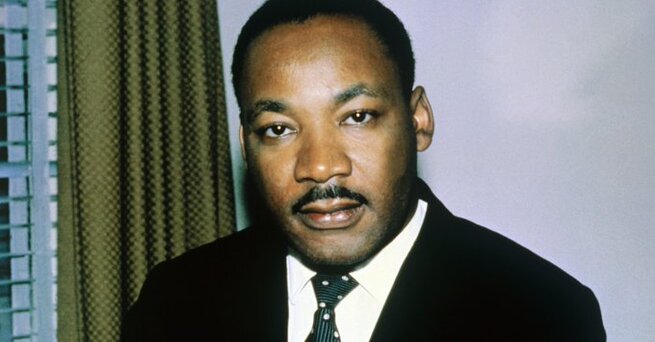
OpenAI suspends MLK deepfakes on Sora after ‘disrespectful’ videos went viral, sparking strong backlash from the family of Dr. Martin Luther King Jr. The company confirmed that it has paused AI-generated videos featuring the civil rights leader and announced new measures allowing estates and public figure representatives to opt out of Sora creations.
The decision came after King’s estate and his daughter, Bernice King, publicly condemned the spread of AI-generated videos depicting her late father. She urged users on social media to stop sharing these “disrespectful” deepfakes, calling them painful and inappropriate.
In response, OpenAI stated that it had “paused generations depicting Dr. King” while reinforcing guardrails around how historical figures can appear in user-created content on Sora.
OpenAI now says estates and authorized representatives of historical or public figures can opt out of having their likeness used in Sora-generated videos. The move reflects OpenAI’s shifting stance on digital likeness rights — a growing ethical and legal concern in generative AI.
The company emphasized that while there are free speech considerations in depicting public figures, it ultimately believes that families and representatives should control how a person’s image is used in AI-generated media.
This latest policy mirrors the company’s earlier challenges with copyright when Sora first launched. After widespread backlash from creators and rights holders — including depictions of fictional characters like Pikachu, SpongeBob SquarePants, and Rick and Morty — OpenAI was forced to switch to an “opt-in” model for copyrighted material.
Now, with likeness rights in the spotlight, the company faces a similar debate over AI ethics, consent, and digital identity.
While the U.S. lacks a federal law protecting posthumous likeness rights, several states — including California, where OpenAI is headquartered — recognize privacy and publicity protections for both living and deceased individuals.
In California’s case, postmortem rights extend to AI recreations, meaning that unauthorized digital portrayals of performers or public figures can face legal challenges. OpenAI says living users can still opt in to Sora videos by creating authorized AI clones of themselves.
The suspension marks a critical moment in the ongoing debate around AI-generated media, consent, and respect for historical legacies. As deepfake technology advances, platforms like Sora are under growing pressure to strike a balance between creative freedom and ethical responsibility.
OpenAI’s decision to pause MLK deepfakes underscores how generative AI companies are being forced to adapt — not just technologically, but morally and legally — in response to public concern.








Comment