

OpenAI’s image generator has entered a new phase with the launch of GPT Image 1.5, a flagship model designed to be faster, smarter, and more practical for real-world use. Announced on December 16, the update answers common questions users have been asking: Is it faster? Does it follow instructions better? Can it handle professional work? According to OpenAI, the answer to all three is yes. The company says the model generates images up to four times faster while delivering more precise results. It is available immediately to all users through ChatGPT. The update also comes with a redesigned interface meant to simplify image creation and editing. Together, these changes signal a shift from experimental visuals to everyday creative utility.
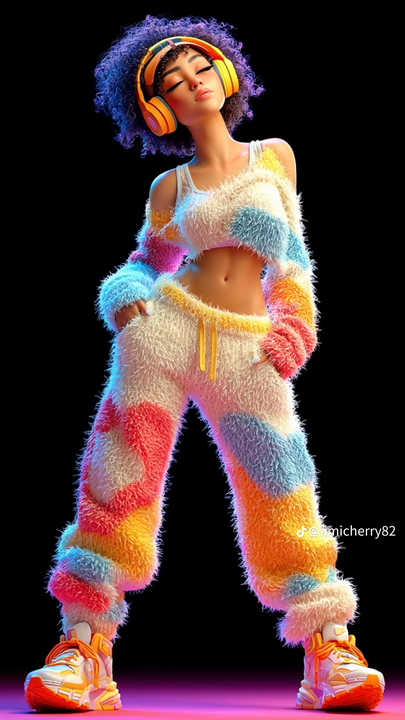
One of the biggest improvements to the OpenAI image generator is its ability to better understand user intent. OpenAI says GPT Image 1.5 is especially strong when modifying existing photos rather than starting from scratch. Users can now request targeted edits without losing the original image’s character. This includes more realistic clothing swaps, hairstyle changes, and object adjustments. Stylistic filters and conceptual transformations have also improved, making creative edits feel more natural. The company emphasizes that results are more believable and less “AI-looking.” For creators and professionals alike, this reduces the need for repeated prompts and manual fixes.
To support the upgraded model, OpenAI has added a dedicated Images tab to the ChatGPT sidebar. This space brings image generation tools into one central workflow. Preset filters, trending prompts, and creative ideas are surfaced directly in the interface. OpenAI says this helps users move from inspiration to execution more quickly. The layout is designed with speed and discovery in mind, especially for mobile users. Instead of guessing what to type, users can explore proven prompt styles. The result feels closer to a creative dashboard than a chatbot add-on. This change reflects OpenAI’s push toward usability, not just raw capability.
OpenAI is clearly positioning its image generator as an enterprise-grade tool. The company highlights use cases such as product photography, marketing visuals, internal presentations, and design mockups. These features align with OpenAI’s broader effort to generate sustainable revenue under increasing investor pressure. Businesses want tools that save time and reduce production costs, and OpenAI is leaning into that demand. The improved speed and accuracy are especially appealing for teams working on tight deadlines. OpenAI describes this as a move from novelty to reliability. For enterprise customers, consistency matters more than flashy demos.
The launch comes at a time when competition in AI image generation is intensifying. Rival labs are racing to release faster and more visually impressive models, especially after the viral success of Google’s Nano Banana. OpenAI’s response is not just about image quality, but about workflow integration. By embedding tools directly into ChatGPT, OpenAI is betting on convenience and scale. Users already relying on ChatGPT for writing and planning can now handle visuals in the same space. This ecosystem advantage could prove difficult for competitors to match. The image generator becomes part of a larger productivity suite.
OpenAI describes the new image generator as a “creative studio” rather than a standalone feature. Fidji Simo, OpenAI’s CEO of Applications, echoed this idea by saying the tools are built for real work, not just experimentation. The model supports everyday edits alongside expressive visual transformations. This framing is intentional, signaling maturity in OpenAI’s product strategy. Instead of chasing viral moments, the company is focusing on repeat use. The tools are meant to fit naturally into creative and professional routines. That shift could redefine how users think about AI-generated visuals.
GPT Image 1.5 shows how OpenAI is evolving its image generator to meet practical demands. Faster performance, better instruction handling, and enterprise-focused features all point to long-term positioning. The update also reinforces ChatGPT’s role as a multi-purpose platform rather than a single-function assistant. As AI image tools become more common, differentiation will depend on reliability and ease of use. OpenAI appears to understand that clearly. This release is less about spectacle and more about staying power. For users, it means image generation that finally feels ready for everyday work.

𝗦𝗲𝗺𝗮𝘀𝗼𝗰𝗶𝗮𝗹 𝗶𝘀 𝘄𝗵𝗲𝗿𝗲 𝗽𝗲𝗼𝗽𝗹𝗲 𝗰𝗼𝗻𝗻𝗲𝗰𝘁, 𝗴𝗿𝗼𝘄, 𝗮𝗻𝗱 𝗳𝗶𝗻𝗱 𝗼𝗽𝗽𝗼𝗿𝘁𝘂𝗻𝗶𝘁𝗶𝗲𝘀.
From jobs and gigs to communities, events, and real conversations — we bring people and ideas together in one simple, meaningful space.



Comments