
Alerts
-
6 minutes, 19 seconds
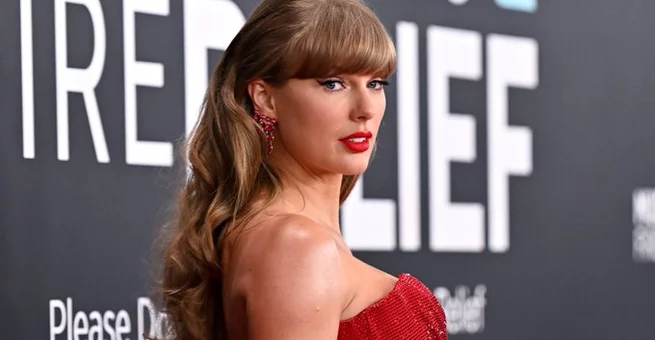
Nazi bots became an unexpected flashpoint in online conversations following Taylor Swift’s latest album release, leaving fans asking what really drove the chaos. Was the backlash organic fandom drama, or was coordinated manipulation involved? Within weeks of the album dropping, social platforms filled with extreme claims, political accusations, and culture-war narratives. A new study suggests some of that activity may not have been authentic. The findings have divided Swift’s media ecosystem and reignited debate over how misinformation spreads online. For fans and critics alike, the controversy highlights deeper problems with how digital discourse now escalates. What started as music criticism quickly became something far darker.
Early reactions to The Life of a Showgirl looked familiar to longtime Swift watchers. Fans debated lyrics, dissected metaphors, and argued about artistic direction with relatively measured intensity. Criticism existed, but it stayed focused on music and meaning rather than ideology. That tone shifted abruptly several weeks after release. Social media feeds began filling with claims that Swift was embedding Nazi symbolism or signaling extremist politics. These narratives felt out of step with both the album and Swift’s public record. The speed and coordination of the shift raised eyebrows across fandom spaces. What had been lively debate morphed into hostility and suspicion almost overnight.
The situation escalated when Rolling Stone published a report pointing to “inauthentic” social media activity tied to the album discourse. According to the analysis, clusters of accounts amplified extreme interpretations and pushed political framing into unrelated fan conversations. These accounts appeared coordinated rather than spontaneous. The term “Nazi bots” quickly entered online shorthand, even as researchers urged caution about labels. For many readers, the report landed like a bombshell. It suggested the chaos wasn’t just fandom infighting but something more engineered. Still, the study stopped short of naming specific operators or motives.
Reaction to the findings fractured the Swift community almost instantly. Some fans saw the study as validation that the worst accusations were never organic. Others argued it risked dismissing legitimate criticism by blaming faceless bots. Critics outside the fandom questioned whether the evidence proved intent or simply highlighted messy online behavior. Without clear attribution, interpretations filled the gap. The result was a meta-argument layered on top of the original controversy. Instead of calming the discourse, the report became another accelerant. The question shifted from “Is this true?” to “Who benefits from this narrative?”
The Nazi bots debate exposed a broader flaw in today’s media ecosystem. Social platforms reward engagement, not accuracy, and extreme claims travel faster than nuanced ones. Algorithms amplify outrage because it keeps users scrolling. In that environment, even a small amount of coordinated activity can distort perception at scale. Fans encounter repeated talking points and assume consensus where none exists. Journalists then face pressure to explain viral narratives, even when the origins are murky. The cycle feeds itself until noise overwhelms context. Swift’s album became a case study in how easily culture gets weaponized.
While the research added valuable insight, it also revealed how uncertain these analyses can be. Social listening tools identify patterns, not intent, and correlation doesn’t equal orchestration. “Inauthentic” activity can range from spam accounts to loosely aligned users chasing attention. Without transparency around methods, readers are left interpreting conclusions on faith. That ambiguity fuels skepticism from all sides. Supporters cite the findings as proof of manipulation, while detractors call them overstated. The truth may sit uncomfortably in between. What’s clear is that online discourse rarely tells the full story on its own.
The fallout from the Swift controversy offers a warning beyond one fandom. As pop culture, politics, and platform incentives collide, viral narratives will keep escalating faster than facts. Audiences are increasingly asked to navigate claims about bots, manipulation, and hidden agendas with limited evidence. For artists, it means releases can trigger ideological battles unrelated to their work. For readers, it underscores the need for media literacy and skepticism without cynicism. Not every controversy is fake, but not every trend is real either. The Nazi bots debate didn’t just divide Swift fans—it exposed how fragile online consensus has become.








Comment