
Trending
Trending Hashtags
Alerts
-
5 minutes, 10 seconds
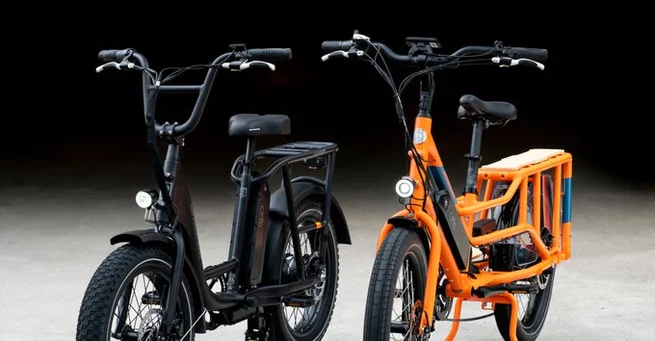
Rad Power Bikes, once a top contender in the US e-bike market, has filed for Chapter 11 bankruptcy protection. The company, founded in 2015 by Mike Radenbaugh, faces estimated liabilities of $72.8 million against assets of $32.1 million. The move comes shortly after Rad Power admitted it could not cover a recall of older batteries flagged as a fire risk by the US Consumer Product Safety Commission.
The bankruptcy filing in the Eastern District of Washington signals a dramatic reversal for a company that rapidly grew to become a household name in electric bicycles. With more than 11 models under its belt, Rad Power Bikes once dominated the market with its RadRover, RadWagon, and RadRunner lines.
Rad Power Bikes enjoyed explosive growth during the post-COVID cycling boom, attracting roughly $329 million in funding from investors including Fidelity, Morgan Stanley, and T. Rowe Price. However, that success proved difficult to sustain. Supply chain issues, executive turnover, and multiple layoffs gradually weakened the company’s financial position.
By late 2025, Rad Power admitted it faced “significant financial challenges” that could force closure without immediate capital injection. The battery recall warning appears to have been the final blow, pushing the company into bankruptcy protection.
Filing under Chapter 11 allows Rad Power Bikes to reorganize while seeking potential buyers for its assets. The company lists $14.2 million in inventory, including bikes, parts, and accessories. Analysts expect the bankruptcy process to focus on maximizing recovery for creditors while exploring options to keep the brand alive under new ownership.
This filing reflects a broader trend among US e-bike manufacturers, who face tightening profit margins, high operational costs, and increasing regulatory scrutiny.
Rad Power Bikes began as a small West Coast operation selling custom e-bikes before rapidly expanding nationwide. By 2021, the company had become a key player in the booming e-bike industry, capitalizing on rising consumer interest in sustainable transportation.
Its success was fueled by innovative product design, aggressive marketing, and a reputation for durability. Investors were eager to support its expansion, enabling Rad Power to scale production and reach a national audience.
Despite its early success, Rad Power faced significant operational hurdles. Multiple recalls over battery safety and other mechanical issues raised concerns among consumers and regulators. The latest warning from the Consumer Product Safety Commission highlighted the risk of fire in older batteries—a problem the company could not financially address.
These safety challenges not only damaged the brand’s reputation but also strained its finances, ultimately contributing to the decision to file for bankruptcy.
Rad Power Bikes’ bankruptcy sends shockwaves through the US e-bike industry. Competitors may see an opportunity to capture market share, while consumers holding Rad Power products face uncertainty about warranties, parts availability, and service.
Industry experts note that this situation underscores the fragility of companies reliant on rapid growth and external investment. Even well-funded startups can falter when operational risks intersect with regulatory pressures.
The future of Rad Power Bikes remains uncertain. Chapter 11 offers a chance for restructuring or sale, but creditors and potential buyers will closely evaluate the company’s ability to recover. Analysts caution that a turnaround will require substantial investment and a renewed focus on safety and reliability.
For now, the bankruptcy filing marks the end of a significant chapter for one of America’s pioneering e-bike brands. The coming months will determine whether Rad Power can regain its footing or becomes a cautionary tale for the booming electric mobility sector.










Comment