OpenAI Image Generator Gains Web Search Power in Big Upgrade
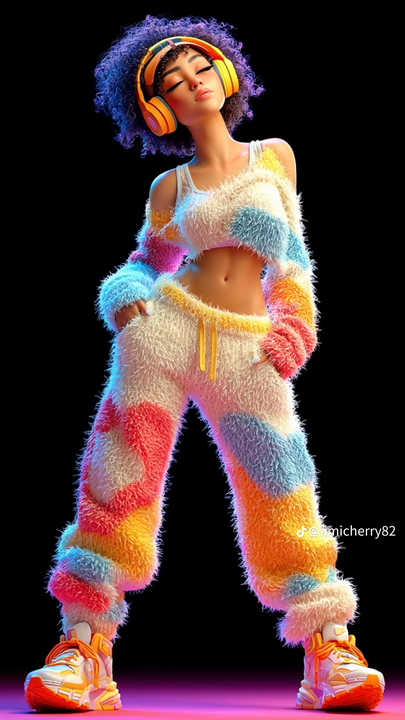
OpenAI’s image generator has received a major upgrade, and users searching whether AI can now create images using live web information have a clear answer: yes. The updated tool can pull relevant information from the web while generating visuals and can also produce a sequence of related images from a single prompt. That shift could reshape how creators, marketers, and everyday users approach AI-generated visuals.
OpenAI Image Generator Update Adds Web-Powered Creativity
The latest OpenAI image generator upgrade pushes generative AI beyond static art creation. Instead of relying only on training data and prompt interpretation, the system can now use information from the web to improve relevance and freshness in image generation. That means prompts tied to current events, trends, or evolving topics may produce more accurate outputs.
This move addresses one of the biggest frustrations in AI image tools: outdated or context-limited results. Users often wanted visuals based on emerging topics, breaking news, or niche references, but many tools struggled with those requests. By blending web information with generation, OpenAI is expanding what image AI can do.
It also signals a broader shift in how generative tools are evolving. AI is moving from isolated creation engines into more connected assistants that combine search, reasoning, and creativity in one workflow.
ChatGPT Images 2.0 Can Create Series of Images From One Prompt
Another headline feature in the update is the ability to generate multiple connected images from a single prompt. Instead of crafting separate prompts for each visual, users can describe a sequence and let the model build a cohesive image set.
That matters for storytelling, branding, product mockups, and content campaigns. A marketer could generate a full ad concept, a teacher could create illustrated lesson sequences, and creators could produce visual storyboards in one step. It reduces friction while improving consistency.
This feature also hints at where AI design tools may be heading next. Rather than producing one-off images, generators are beginning to think in scenes, narratives, and collections.
Why Web Access Makes AI Image Generation More Useful
Giving an image model access to web information may sound like a technical tweak, but its impact could be significant. It helps the model respond to prompts that depend on fresh context, whether users are creating visuals about emerging technology, travel trends, or cultural moments.
For businesses, that can improve speed and relevance. Teams creating social content or campaign concepts may spend less time refining prompts to force accurate results. For everyday users, it makes experimentation feel more natural.
There is also a trust angle. Accuracy has become a bigger focus in AI products, and grounding creative outputs with current information may help reduce hallucinated or mismatched imagery.
OpenAI Pushes Image AI Toward Smarter Assistants
This release reinforces a growing trend: AI image tools are becoming broader creative assistants rather than isolated art generators. The focus is shifting from “make me a picture” to “help me build visual ideas.”
That could have ripple effects across design, education, ecommerce, and media. Content creators may use these tools to move from idea to campaign faster. Small businesses may gain design capabilities once reserved for larger teams. Even casual users may find advanced visual creation easier to access.
What stands out most is not just the web integration itself, but what it represents. OpenAI appears to be moving image generation closer to multimodal intelligence, where text, research, and visuals work together seamlessly.
What This Means for the Future of AI Creativity
The updated OpenAI image generator suggests the next phase of AI creativity will be less about isolated outputs and more about intelligent workflows. Web-aware generation and multi-image prompt sequences point toward tools that can support ideation, production, and storytelling in one place.
That is why this update feels bigger than a feature drop. It touches speed, accuracy, and creative scale all at once. For users wondering where AI image generation is headed, this may be an early look at a much larger transformation.
As competition in generative AI accelerates, upgrades like this may quickly become the new baseline. For now, OpenAI’s latest move makes one thing clear: image generation is becoming smarter, more connected, and far more powerful.












Comment