Nvidia Gives Fake Harrison Ford Better Hair Using Spheres
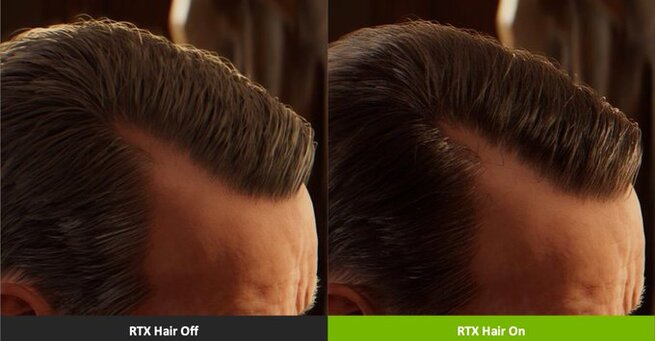
Nvidia gives fake Harrison Ford better hair using spheres in its latest graphics innovation, and it’s coming to Indiana Jones and the Great Circle. The new RTX Hair feature is Nvidia’s next big step after RTX lighting and path tracing—this time focusing on making digital hair look fuller, more realistic, and better lit.
Instead of relying on the traditional triangle-based modeling for hair, Nvidia is switching to spheres. This subtle change allows for more accurate rendering, smoother lighting effects, and less performance strain on gaming PCs.
RTX Hair Brings New Life to Indiana Jones
Indiana Jones and the Great Circle will be the first game to showcase RTX Hair when the update arrives next month. That means players won’t just see better shadows and reflections—they’ll notice Harrison Ford’s digital hair looking more natural and movie-accurate.
Nvidia’s use of spheres improves how light interacts with hair strands, avoiding the flat or blocky look often seen in older rendering techniques. The result? Hair that feels alive, without tanking frame rates.
Why Spheres Over Triangles?
Triangles have been the foundation of 3D modeling for decades, but they’re not always ideal for organic details like hair. Spheres, on the other hand, allow for softer curves and smoother physics interactions.
By using spheres for RTX Hair, Nvidia strikes a balance between performance and realism. Developers can deliver cinematic-quality visuals without the heavy memory load that usually comes with advanced hair rendering.
A Small Update, Big Visual Payoff
What makes RTX Hair exciting is that it isn’t a gimmick—it’s built directly into Nvidia’s real-time path tracing mode. That means it integrates seamlessly into the rendering pipeline, giving gamers better visuals with minimal trade-offs.
For Harrison Ford’s iconic character, this means fewer flat textures and more immersive details that capture the rugged charm of Indiana Jones.
With RTX Hair, Nvidia is showing that even small details—like how hair looks under different lighting—can make a massive difference in immersion. And starting with Indiana Jones, players are about to experience one of the most realistic takes on digital hair yet.
If Nvidia’s spheres-based approach proves successful, we may see RTX Hair becoming a standard feature in upcoming AAA titles, from action adventures to RPGs.














Comment