Alerts

-
5 minutes, 31 seconds
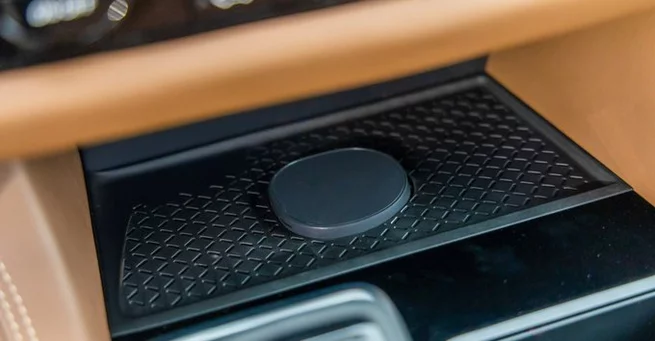
Nissan magnetic Qi2 charging is officially coming to the US, answering a common driver question: why do wireless phone chargers fail the moment a car starts moving? With the 2026 Nissan Murano and Pathfinder, the automaker is adding Qi2-compatible wireless chargers that use built-in magnets to keep phones perfectly aligned. This design improves charging speed, reduces dropped connections, and makes in-car charging far more reliable. For drivers tired of repositioning phones mid-drive, Nissan’s update targets a real, everyday pain point. The move also positions Nissan as an early adopter of Qi2 in the automotive space. That matters as smartphones and vehicles become more tightly connected. It’s a small feature with a big usability payoff.
Wireless charging pads have become standard across many vehicles, but performance often lags behind expectations. Phones slide during turns, braking, or rough roads, causing the charging coils to misalign. When that happens, charging slows or stops altogether without the driver noticing. This issue has frustrated users for years, especially those relying on wireless CarPlay or Android Auto. Carmakers have largely treated wireless charging as a checklist feature rather than a refined experience. As a result, many drivers still plug in cables despite having a wireless pad. Nissan’s approach directly addresses this long-standing flaw. Magnetic alignment changes how practical wireless charging feels in real driving conditions.
The Qi2 standard, finalized by the Wireless Power Consortium in late 2023, adds magnetic alignment as a core feature. Magnets ensure the phone’s charging coil lines up precisely with the charger every time. This leads to more consistent power delivery and improved efficiency compared to older Qi systems. Apple first popularized this idea with MagSafe on the iPhone 12, but the concept quickly spread across the industry. Google and other Android manufacturers now support magnetic Qi2 accessories as well. Qi2 has effectively become the new baseline for premium wireless charging. Nissan’s integration brings that standard directly into the dashboard.
Despite Qi2’s growing popularity in consumer accessories, carmakers have been slow to adopt magnetic wireless charging. Nissan’s decision to include it in production vehicles makes it one of the first automakers in the US to do so. The 2026 Murano and Pathfinder will feature Qi2-compatible chargers with magnetic mounts built in. This ensures phones stay locked in place even while driving over uneven roads. It also reduces heat buildup caused by poor alignment. Nissan’s early move could pressure competitors to follow. In a market where differentiation matters, small tech upgrades can influence buying decisions.
For iPhone users with MagSafe-compatible models, the experience will feel immediately familiar. The phone snaps into place and stays there, no adjustments needed. Android users with Qi2-enabled devices benefit just as much from the magnetic alignment. Even phones without built-in magnets may still charge, though without the full locking effect. This makes the system broadly compatible while still rewarding newer devices. As more phones adopt Qi2 by default, the feature becomes future-proof. Nissan’s chargers are designed around where smartphones are headed, not where they’ve been. That long-term thinking adds real value.
While magnetic charging may sound minor compared to driver-assist systems or infotainment upgrades, it directly affects daily driving comfort. Features that drivers use every single trip often matter more than headline tech. Nissan magnetic Qi2 charging improves convenience, safety, and reliability in a subtle but meaningful way. It also signals that Nissan is paying attention to user experience details others have ignored. As vehicles increasingly mirror smartphone expectations, this kind of integration becomes essential. If customers respond positively, magnetic chargers could quickly become an industry standard. For now, Nissan gets to claim first-mover advantage in the US market.










Comment