Alerts

-
5 minutes, 57 seconds
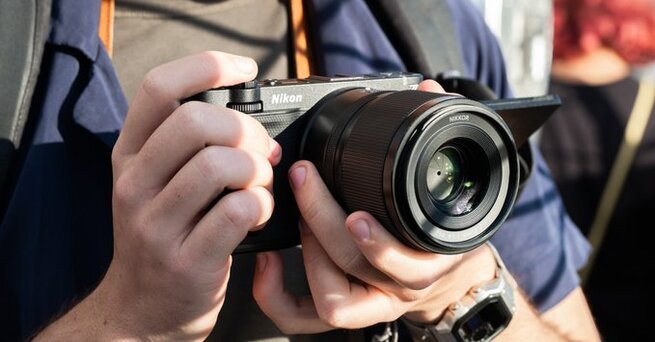
The Nikon ZR is quickly becoming one of the most searched-for cameras among filmmakers—and for good reason. Many users want to know whether the Nikon ZR can truly compete with a real RED camera and if its new R3D NE recording format delivers “RED-like” quality for a fraction of the cost. Within its first week on the market, the ZR has already sparked industry-wide chatter thanks to its $2,200 price tag and its surprising ability to mimic RED’s signature look without requiring a Hollywood-level budget.
Professional filmmakers have long dreamt of owning a RED camera, but with high-end rigs climbing past $45,000, they’ve stayed far out of reach for most creators. Nikon’s new ZR challenges that barrier. As Nikon’s first major collaboration with RED since acquiring the company in 2024, this camera pulls some of RED’s most coveted technology into a more accessible package. While it doesn’t match every pro-level capability, it gets unusually close considering the massive price difference.
One of the most attention-grabbing features of the Nikon ZR is its support for R3D NE—a simplified version of RED’s iconic R3D file format. This is the same color science and highlight rolloff that made RED cameras a staple on blockbuster sets, now re-engineered to run efficiently inside Nikon hardware. The ZR’s implementation isn’t as robust as a full RED system; it compresses some data and removes a few advanced controls. Still, for filmmakers who want the unmistakable RED aesthetic without the overhead, R3D NE offers a huge leap in creative flexibility.
Nikon clearly built the ZR with video creators in mind. The camera features a bright touchscreen for easy on-set monitoring and impressive sensor-level stabilization that minimizes the need for a separate gimbal in many shooting scenarios. There’s also standout audio performance with a dynamic range far beyond what typical mirrorless cameras can deliver. For run-and-gun filmmakers, documentary shooters, or content creators who move fast, the ZR checks a lot of boxes that normally require much larger—and more expensive—rigs.
The ZR can’t replace a top-tier RED on major productions, but that’s not the point. Its value lies in bringing RED’s visual approach to a camera body priced for independent creators, small studios, and passionate hobbyists. With access to R3D NE, editors can tap into RED’s color workflow, making grading more cinematic and more forgiving in post-production. It’s not perfect, but the results are far more compelling than what you’d expect from a $2,200 camera.
Of course, there are trade-offs. The ZR lacks some of the high-end features that professional cinematographers rely on, such as deeper codec control, advanced cooling systems for long productions, and the raw sensor performance found in real RED bodies. Extended takes or high-intensity production environments may push the ZR to its limits. But for its target audience, those limitations are often easy to overlook.
By blending RED’s signature tech with Nikon’s consumer-friendly design approach, the ZR is positioned to shift expectations for mid-range video cameras. It offers enough cinema-grade capability to empower creators while keeping the barrier to entry low. If Nikon continues refining this RED partnership, the ZR could mark the beginning of a new category—cameras built for indie filmmakers who want Hollywood-style tools without Hollywood budgets.
The Nikon ZR isn’t perfect, but it is groundbreaking. It delivers the essence of RED’s storytelling power at a price point the industry hasn’t seen before. For many creators, that combination alone will be reason enough to take notice. As Nikon and RED continue working together, this first joint camera hints at an exciting future—one where cinematic image quality becomes more accessible than ever.










Comment