
Alerts
-
3 minutes, 11 seconds
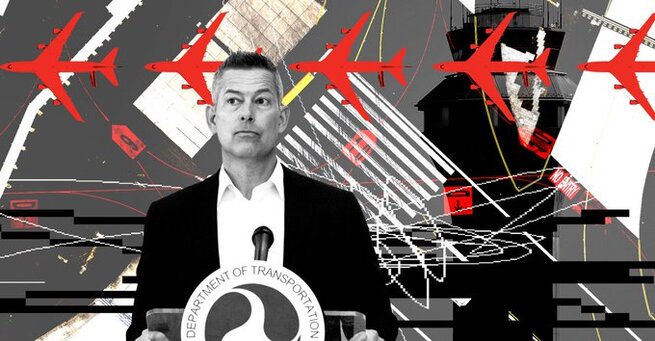
Newark Air Traffic Crisis Exposes Deeper Systemic Failures
The Newark air traffic crisis is far from over. Despite a high-profile visit from U.S. Transportation Secretary Sean Duffy to celebrate the reopening of runway 4L-22R, flight disruptions returned within just two days. Newark Liberty International Airport had become the poster child for the U.S. Department of Transportation's (USDOT) challenges in managing air traffic control. Federal officials, including FAA leadership and United Airlines’ CEO, positioned the reopening as a turnaround moment—but operational cracks quickly reappeared, forcing ground stops and raising safety concerns.
Why Newark's Air Traffic Fix Didn’t Last
At the June 2 press conference, federal and airline leaders painted a picture of swift, coordinated recovery. They emphasized a quick 47-day runway rebuild, an upgraded Verizon fiber-optic connection, and resolution of a technical glitch that had previously left controllers unable to communicate with pilots. Optimism was high, with projections of a 25% increase in flight capacity at the airport. But this optimism unraveled when controller shortages grounded flights again on June 4, proving that infrastructure fixes alone don’t solve deeper staffing and systemic problems plaguing the Federal Aviation Administration.
The Real Issues Behind the Newark Air Traffic Crisis
The Newark air traffic crisis is not just a local issue—it's a warning sign of a national problem. The FAA continues to face challenges in staffing, outdated systems, and the pressures of post-pandemic air travel demand. The reliance on quick fixes and ribbon-cutting ceremonies obscures the larger issue: America's air traffic control infrastructure is overstretched. Without investing in long-term recruitment, modernization, and redundancy planning, airports like Newark will continue to experience breakdowns that impact both passengers and airline schedules across the country.
What Needs to Happen Next for Newark and Beyond
To resolve the Newark air traffic crisis for good, officials must look beyond symbolic reopenings and address structural issues with urgency. That includes increasing air traffic controller hiring, improving real-time monitoring systems, and building resilient communication infrastructure. Newark’s recent setbacks show that without holistic reform, temporary improvements will be short-lived. As one of the busiest airports on the East Coast, Newark’s stability is critical—not just for New Jersey travelers, but for the entire U.S. aviation network.










Comment