
Alerts
-
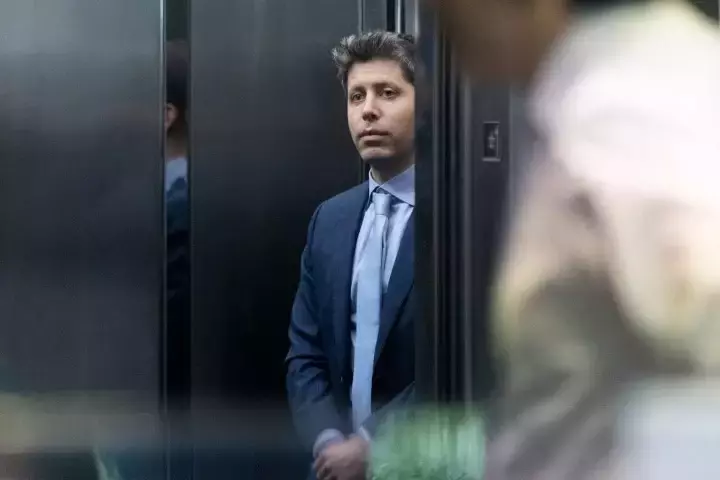
The high-profile legal battle surrounding OpenAI reached a dramatic turning point after CEO Sam Altman testified about internal disputes involving Elon Musk and the company’s future. During testimony tied to Musk’s lawsuit against OpenAI’s corporate restructuring, Altman described tense debates over control, safety, and leadership during the company’s early years. One of the most surprising revelations involved a claim that Musk once suggested OpenAI could be handed down to his children if he died while controlling the organization.
The testimony offers a rare look inside the power struggles that shaped one of the world’s most influential artificial intelligence companies. It also raises new questions about AI governance, nonprofit missions, and how much power should rest in the hands of a single tech billionaire.
At the center of the lawsuit is Elon Musk’s argument that OpenAI abandoned its original nonprofit mission after creating a for-profit structure tied to its AI products. Musk has argued that the company drifted away from its founding principles as commercial interests grew.
Sam Altman strongly rejected that framing during testimony. He argued that OpenAI’s nonprofit foundation remains one of the largest charitable organizations connected to technology and artificial intelligence. According to Altman, the restructuring allowed the organization to scale advanced AI development while still supporting broader public-interest goals.
The courtroom exchange highlighted the growing tension between idealism and commercialization in the AI industry. OpenAI began with a mission focused on safe and broadly beneficial AI development, but the massive cost of training advanced models pushed the company toward outside investment and commercial partnerships.
One of the most talked-about moments from the testimony involved an alleged conversation from 2017. Altman described internal discussions among OpenAI’s founders about funding, governance, and who would control the organization’s future.
According to Altman, Musk was asked what would happen if he died while controlling a hypothetical OpenAI for-profit entity. Altman testified that Musk responded by suggesting the organization could potentially pass to his children.
Altman called the moment “particularly hair-raising,” saying it intensified concerns about concentrating too much power in the hands of one individual. He explained that OpenAI’s founding philosophy centered on preventing advanced AI from being controlled by a single person or organization.
The statement immediately sparked attention because it touches on broader fears surrounding artificial intelligence power structures. As AI systems become more influential globally, questions about governance and accountability are becoming increasingly urgent.
Altman’s testimony also painted a detailed picture of the difficult working relationship between Musk and OpenAI’s research leadership during the company’s formative years.
According to Altman, Musk’s management approach created serious tension inside the organization. He claimed Musk pushed for aggressive personnel evaluations and restructuring that negatively affected morale among key researchers.
Altman testified that Musk asked leadership figures Greg Brockman and Ilya Sutskever to rank researchers by accomplishments and reduce staff aggressively. He argued that the approach damaged the company’s culture and undermined trust within the research team.
These details offer new insight into why Musk eventually separated from OpenAI. While Musk has since become one of the loudest critics of the organization, Altman’s testimony suggests the conflict was brewing internally long before OpenAI became a global AI powerhouse.
A major issue in the lawsuit revolves around OpenAI’s decision to pursue commercial partnerships and investor funding. Critics argue that the move contradicted the organization’s nonprofit origins, while supporters say it was necessary for survival.
Training advanced AI systems requires enormous computational resources and infrastructure investment. Over time, the costs associated with developing frontier AI models grew into the billions of dollars.
According to testimony in court, OpenAI leadership believed external funding was essential to remain competitive. The organization eventually secured large-scale partnerships that helped fuel rapid AI advancement.
Altman argued that Musk was aware of these discussions and was even invited to participate in investment opportunities that later became central to the lawsuit’s criticism.
The courtroom conflict reflects a much larger rivalry that has emerged across the artificial intelligence industry. Elon Musk and Sam Altman now represent two competing visions for the future of AI.
Musk has repeatedly warned about the dangers of uncontrolled artificial intelligence while simultaneously launching his own competing AI ventures. Altman, meanwhile, has positioned OpenAI as a leader in deploying advanced AI tools to the public while balancing safety research and commercialization.
Their relationship has shifted dramatically over the years. Once collaborators working toward shared goals, they are now central figures in one of technology’s most consequential disputes.
The legal battle is not only about OpenAI’s structure. It is also about who gets to shape the future of artificial intelligence, how those systems should be governed, and whether public-interest promises can survive massive commercial success.
The testimony arrives during a period of growing concern about AI concentration and corporate control. Governments, regulators, researchers, and investors are increasingly debating how powerful AI systems should be managed.
OpenAI’s evolution from nonprofit research lab to commercial AI giant has become a symbol of that larger debate. Some critics argue that commercialization risks prioritizing profits over safety, while others believe large-scale funding is unavoidable if companies want to compete globally.
The courtroom drama between Musk and Altman may ultimately influence how future AI organizations are structured. Legal outcomes could shape investor expectations, governance standards, and public trust across the industry.










Comment