Alerts

-
3 minutes, 57 seconds
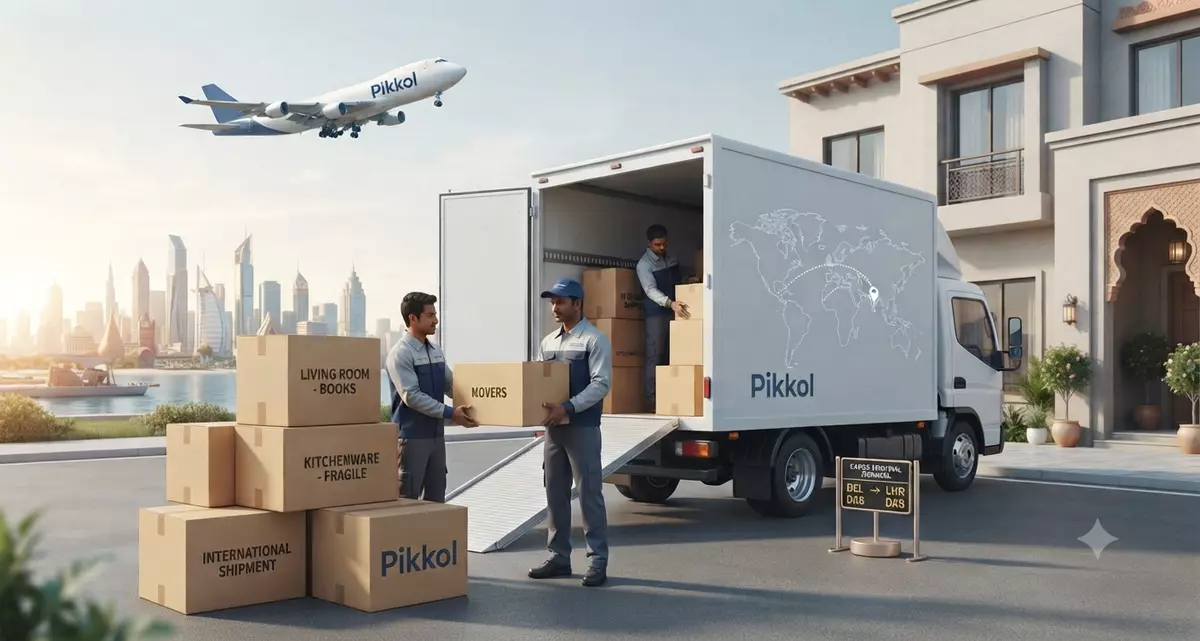
Moving to another country often means making hundreds of small decisions about your household belongings. The question is not only how to transport everything, but also what is actually worth taking to the new home.
A proper sorting process can make International Relocation more organised and may also help reduce unnecessary shipment volume.
Start by separating household items into practical categories.
Furniture, appliances, kitchenware, clothing, books, electronics and personal belongings can be reviewed individually. Consider how useful each item will be at the destination and whether replacing it there would be more practical.
Items with personal or sentimental value may deserve priority, while rarely used belongings can be reconsidered.
International transportation involves more planning than a regular domestic move.
Shipping unnecessary belongings takes additional space and requires packing, handling and transportation. By removing items you no longer need, you can make the shipment more manageable.
A simple room-by-room inventory can help identify what should be shipped, donated, sold or discarded.
Yes. Destination countries can have specific rules regarding what travellers and shipments can bring into the country.
Certain food products, plants, medicines, batteries, chemicals and other items may have restrictions or documentation requirements.
Before finalising your shipment, check the latest customs and import requirements for your destination rather than assuming that an item permitted in India will automatically be accepted elsewhere.
Prioritise useful, valuable and difficult-to-replace belongings. Consider the destination's lifestyle, housing space, replacement cost and customs requirements before deciding what should travel with you.
Some kitchen items can be shipped, but restrictions may apply to particular products or materials. Check destination-country customs requirements before including them in your shipment.
International relocation generally involves additional planning for documentation, customs, transportation and destination requirements. The process therefore needs more preparation than a typical domestic household move.
Yes. An inventory helps you organise belongings, identify important items and keep track of boxes throughout the relocation process. It can also support documentation when required.
Different belongings need different packing methods.
Fragile products require adequate cushioning, while furniture and larger household items need suitable protection against handling during transportation.
Use clear labels and keep an inventory of the boxes. If possible, group items according to rooms or categories so unpacking at the destination becomes easier.
Important documents, travel essentials, valuables, medicines and items needed immediately after arrival should generally remain accessible.
You may also want to keep a few clothes, chargers, basic toiletries and other daily-use products separately.
This prevents inconvenience if your main household shipment reaches the destination later than you do.
International Packers and Movers may assist with different stages of household relocation, depending on the service selected.
This can include packing, handling, transportation and coordination of the shipment.
Before booking, ask about destination coverage, documentation support, packing standards and the expected delivery process.
Ask how the belongings will be packed, transported and delivered.
Also clarify the quotation, shipment process, documentation requirements and any services that are charged separately.
Providing accurate information about the quantity and type of belongings can help the provider understand the relocation requirement more clearly.
Pikkol is one relocation service provider that people can consider when planning an overseas household move.
The suitable arrangement depends on the destination, shipment size and individual requirements. Customers should review the available International Relocation Services and understand the applicable process before booking.
Do not pack everything into the main shipment.
Prepare a separate arrival kit containing essential clothing, documents, basic toiletries, chargers and other items you may need immediately.
Knowing exactly where these essentials are can make the first few days in a new country much more comfortable while you wait for your household belongings.
The most useful starting point is sorting.
Once you know exactly what you want to take, the next steps—packing, documentation, transportation and shipment planning—become easier to organise.
A thoughtful approach to belongings can make an overseas relocation more structured and help families avoid transporting items they do not actually need.


8.5K articles

2.8K articles

1.6K articles

34 articles









Comment