Alerts

-
4 minutes, 27 seconds
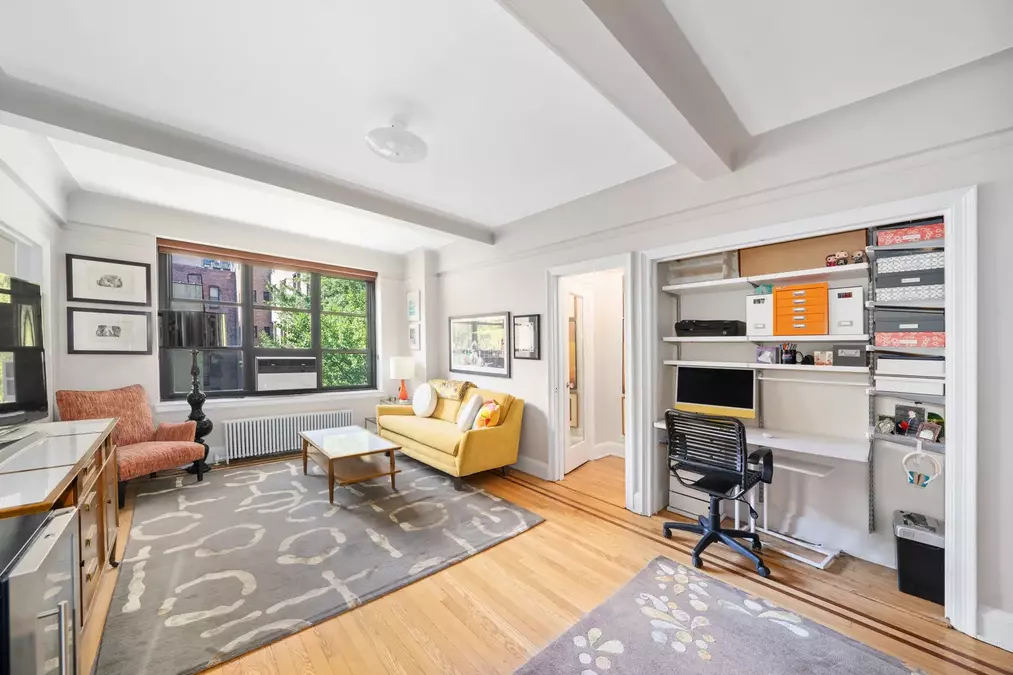
The San Francisco housing market has its own rules. With constrained land, high zoning regulations, and rugged terrain, the saying that your money gets you could mean a significant difference from one block to another-and that’s not even taking into account the difference between condos and single-family homes. For buyers wanting to grasp just where their dollar really gets them, knowing the considerations to be had between the two property types is vital before diving into showings.
So here’s the inflation-adjusted comparison of one single-family home versus a condo in San Francisco: of course, there’s a huge premium. Single-family houses sell for hundreds of thousands of dollars more than condos in many neighborhoods. That difference is due to the land - a single-family house implies a degree of ownership of the land on which it sits, while condo ownership is typically ownership of a unit’s interior with shared ownership of common spaces (and the land) - which makes a huge difference in a land-starved city like San Francisco.
In other words, for the same amount of money, one could afford to buy a tiny house in a single-family residence in an outer suburb of a city, or a much bigger condominium in a convenient location. Again, there is no better choice in this comparison, since it depends on what the person values more: a lot of space or a convenient location.
Condominiums are generally more prevalent in denser, more centrally located sections of the city, such as SoMa, Nob Hill, Russian Hill, and some of the Mission, where the availability of land makes multi-unit development the most feasible method of increasing the housing supply. When purchasing a condo in these neighborhoods, you are essentially trading space for convenience: a shorter commute, walkability to restaurants and transit, and access to amenities such as gyms, doorkeepers, or roof decks, which would be too expensive to provide in a single-family home.
The compromise: HOAs, which could cost a couple hundred dollars a month or much more than that in a luxury high-rise, and which cover building maintenance, insurance, and amenities. These expenses are a consideration you’ll want to keep in mind while you’re crunching the numbers on your monthly budget, as your mortgage lender will factor them into your debt-to-income ratio. Condos offer you a little less independence - exterior renovations and even interior remodels sometimes need to be approved by the HOA. If your building ever needs major repairs, you might be hit with a special assessment.
The positive is that living in a condo tends to mean that you’ll have less individual maintenance needs. Things like roof repairs, maintaining the building’s grounds and exterior are taken care of by the condo association, rather than the condo owner, which many buyers find attractive.
Most single-family homes are situated in the city’s southwestern and southern neighborhoods where the pattern of the grid opens into more conventional residential blocks. Purchasing a single-family unit in this part of the city provides you with the extra space, car storage, and outdoor access you desire, plus the independence of doing your own renovations and improvements without association approval.
Single-family homes make more sense for buyers with families, or for anyone planning on staying long-term, despite their greater initial cost. More space, more privacy, and the opportunity to put money in land that tends to appreciate well in a supply-constrained market (like San Francisco) can outweigh the convenience of condo living.
Ultimately, it comes down less to which style is “best,” and more to which suits you better. If you’re looking for walkability, reduced personal responsibilities, and closer access to the urban core, a condo may be a good fit. If you’re willing to pay HOA fees and accept joint decision-making, then a condo probably makes more sense financially for where you’re at. On the other hand, if you want a lot of space, want complete authority over what happens on your property, and plan to stay in your home for the long haul, then a single-family home may be worth sacrificing ease of access (and sacrificing a longer commute) in exchange for greater control.
Think about your timeline, as well. Condos are generally more likely to resell quickly in a pinch, as there's a much larger buyership for low-maintenance, central locations. Single-family homes, especially on the outskirts of town, will take longer to sell, but generally appreciate more over the long run, since land-based homes are a rare commodity in the city.
Making these tradeoffs takes someone familiar with the ins and outs of San Francisco by the block, not just the averages. Having an experienced realtor San Francisco, California, buyers rely on to navigate these all-too-real tradeoffs can mean the difference between an educated decision about the value of a property and blindly comparing your available budget to a specific neighborhood in the city.
Nona Ehyaei can help buyers understand these real tradeoffs, playing matchmaker between the specifications of every client's budget and the type of neighborhood that truly complements their lifestyle.



Comment