
Alerts
-
5 minutes, 25 seconds
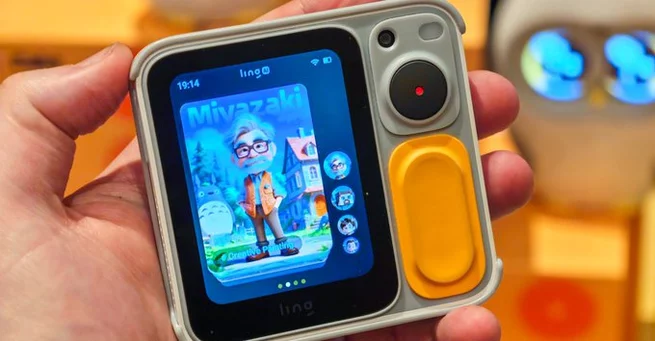
Most Dubious Uses of AI at CES 2026 quickly became a talking point as attendees asked a simple question: does this really need AI? Within the first halls of the show floor, artificial intelligence appeared embedded in nearly every product category imaginable, from wearables to home appliances. Many visitors searched for clarity on which AI gadgets actually improved daily life and which felt unnecessary. CES 2026 made it clear that while AI adoption is accelerating, usefulness is not always keeping pace. Some companies struggled to explain what made their products “AI-powered” beyond buzzwords. The result was a mix of fascination and skepticism among journalists and consumers alike. This growing disconnect shaped one of the most talked-about themes of the event.
Walking through CES 2026 felt like stepping into a future where AI branding is unavoidable. Smart screens, fitness devices, toys, and even basic household tools claimed some form of machine intelligence. Manufacturers leaned heavily on AI as a selling point, often without clearly defining what problems it solved. In many cases, traditional automation or simple sensors would have worked just as well. This trend reflects a broader industry pressure to appear innovative at any cost. While some AI applications genuinely enhanced user experience, others appeared bolted on at the last minute. The overuse of AI terminology diluted its impact across the show.
One of the most eye-catching examples came from Glyde’s AI-powered hair clippers. The device promises amateur barbers a perfect fade by dynamically adjusting cutting depth in real time. An AI “coach” provides feedback as you cut, turning a routine grooming task into a guided experience. While impressive on paper, the concept raised practical concerns about trust and reliability. The addition of a face-mapping mask and future voice controls added to the spectacle. Many observers questioned whether hairstyling truly benefits from algorithmic guidance. For some, the product felt more like a tech demo than a genuine solution.
Beyond the hardware, the idea of AI-driven style recommendations sparked debate. Glyde claims its system may eventually suggest hairstyles based on facial structure and preferences. That promise pushes AI into deeply personal territory where human judgment still matters most. Hairstyling is as much about creativity and cultural context as technical precision. Relying on AI for aesthetic decisions may limit individuality rather than enhance it. CES 2026 showcased how AI can blur the line between helpful assistance and unnecessary interference. This tension echoed across multiple product categories at the event.
Perhaps the most controversial showcase involved SleepQ’s so-called AI-combo drug. Marketed under the slogan “Where pills meet AI,” the product combined supplements with data-driven recommendations. Representatives handed out boxes freely, drawing both curiosity and concern from attendees. The company described the pills as “AI-upgraded pharmacotherapy,” a phrase that raised more questions than answers. Health-focused AI applications demand transparency and trust, especially when ingestible products are involved. Many visitors remained unconvinced about how artificial intelligence meaningfully improved the supplement itself. This example highlighted the risks of stretching AI branding into sensitive domains.
The most dubious uses of AI at CES 2026 revealed a widening credibility gap between innovation and implementation. While artificial intelligence remains one of the most powerful tools in modern technology, its value depends on thoughtful integration. Slapping AI labels onto products without clear benefits risks consumer fatigue and skepticism. CES has always been a place for bold ideas, but this year underscored the need for restraint. As AI continues to shape future tech, companies may need to focus less on hype and more on meaningful impact. Otherwise, intelligence may remain artificial in name only.








Comment