Alerts

-
8 minutes, 13 seconds
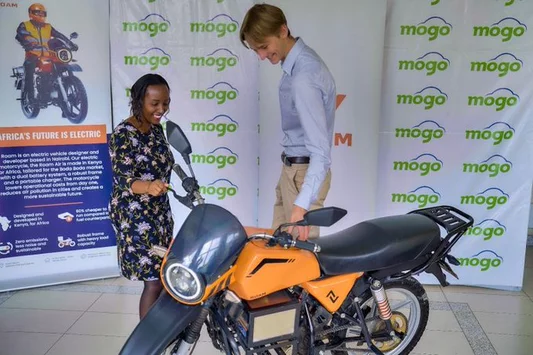
Mogo Kenya’s latest funding move is raising big questions across Kenya’s transport and lending sectors. The company has secured Sh800 million from lenders and is pursuing even more capital through a bond programme. For riders, investors, and regulators alike, the development signals one thing: boda boda financing is no longer niche — it’s a major pillar of Kenya’s credit economy. With millions relying on motorcycles for income, the funding shift could reshape how ownership, risk, and opportunity evolve in the informal transport sector.
The new funding round marks a turning point for Mogo Kenya. The company secured Sh800 million from I&M Bank and Ecobank while simultaneously seeking an additional Sh1.5 billion through a two-year bond programme.
On the surface, this looks like routine expansion funding. Beneath that, however, lies a deeper strategic play. The financing reflects growing confidence in Kenya’s asset-backed lending model, particularly motorcycles that generate daily income. Investors are no longer betting on traditional banking margins — they are betting on the everyday earnings of boda boda riders.
This shift underscores how financial markets are increasingly intertwined with informal economies once considered too unpredictable for institutional capital.
Motorcycles have quietly evolved into one of Kenya’s most powerful financial tools. For years, many riders rented bikes from fleet owners, surrendering a large portion of daily income just to stay operational. Asset financing companies stepped in with a compelling promise: own the motorcycle and keep more of your earnings.
Ownership, however, is not always straightforward. While riders gain independence, they also inherit repayment pressure and exposure to interest costs. The financing model works best when daily income remains stable — something that fluctuates based on fuel prices, competition, and urban mobility patterns.
That reality highlights a key tension in the boda credit ecosystem: empowerment versus financial vulnerability.
The scale of Kenya’s motorcycle economy explains why capital keeps flowing into the sector. Estimates place the industry’s annual turnover at roughly Sh660 billion. That represents around 4.4% of GDP and supports more than 2.5 million livelihoods across urban and rural areas.
Numbers like these have transformed boda boda transport from a peripheral hustle into a systemic economic engine. For investors, the math is simple. A large, cash-generating workforce creates predictable repayment cycles — a critical ingredient for asset-backed lending.
This growing formalization is drawing banks, private credit funds, and structured finance players deeper into a market that once ran almost entirely on informal agreements.
One of the most overlooked aspects of Mogo’s funding strategy is currency alignment. More than 80% of the company’s financing is now denominated in Kenyan shillings, with an overall mix of 60% local and 40% international funding.
That shift is not cosmetic. Lending in local currency while borrowing in foreign currencies exposes lenders to exchange rate volatility. When the shilling weakens, repayment risks rise — even if borrowers are paying on time.
Many non-bank lenders operating in emerging markets have faced painful lessons from currency mismatches. By leaning more heavily into local funding, Mogo is signaling a more risk-aware strategy that could improve long-term stability.
The planned Sh1.5 billion bond programme introduces a new dimension: capital market exposure to informal transport income streams. Structured bonds backed by asset financing portfolios effectively link investor returns to thousands of individual repayment journeys.
This financialization of the boda economy represents a significant shift. Instead of isolated microloans, riders now sit at the center of layered financial structures involving banks, arrangers, and institutional investors.
For bond buyers, the attraction lies in diversification. Thousands of small repayments create a spread-out risk profile. But it also means investor confidence increasingly depends on ground-level realities like fuel costs, regulatory changes, and urban mobility trends.
Mogo Kenya’s capital raise reflects something bigger than one company’s growth. It illustrates how Kenya’s informal sectors are being pulled into structured finance ecosystems at unprecedented speed.
As more capital flows into boda financing, competition among lenders will likely intensify. That could drive innovation in repayment models, digital credit scoring, and rider support services. At the same time, it raises important questions about borrower protection and sustainable lending practices.
The next phase of growth will likely depend on how well lenders balance scale with responsibility.
For riders, increased funding could translate into easier access to motorcycle ownership and potentially more flexible financing options. Greater competition among lenders often leads to improved terms, faster approvals, and tech-driven repayment tools.
However, easier credit also brings higher stakes. Over-financing and aggressive repayment structures could expose riders to debt stress, especially during economic slowdowns. The true impact of the capital surge will depend on how responsibly financing models evolve.
What’s clear is that boda boda riders are no longer just transport providers — they are now central players in Kenya’s evolving credit ecosystem.
The Mogo Kenya capital surge highlights a broader transformation underway across Africa’s financial systems. Informal economies that once existed outside institutional finance are becoming investable assets.
As banks and bond markets increasingly fund grassroots income streams, the boundaries between formal and informal finance continue to blur. This convergence could unlock new opportunities for financial inclusion while also introducing new systemic risks.
For now, one thing is certain: the road ahead for Kenya’s boda financing boom will be shaped not just by riders and lenders, but by investors watching every kilometer of growth.










Comment