Alerts

-
5 minutes, 12 seconds
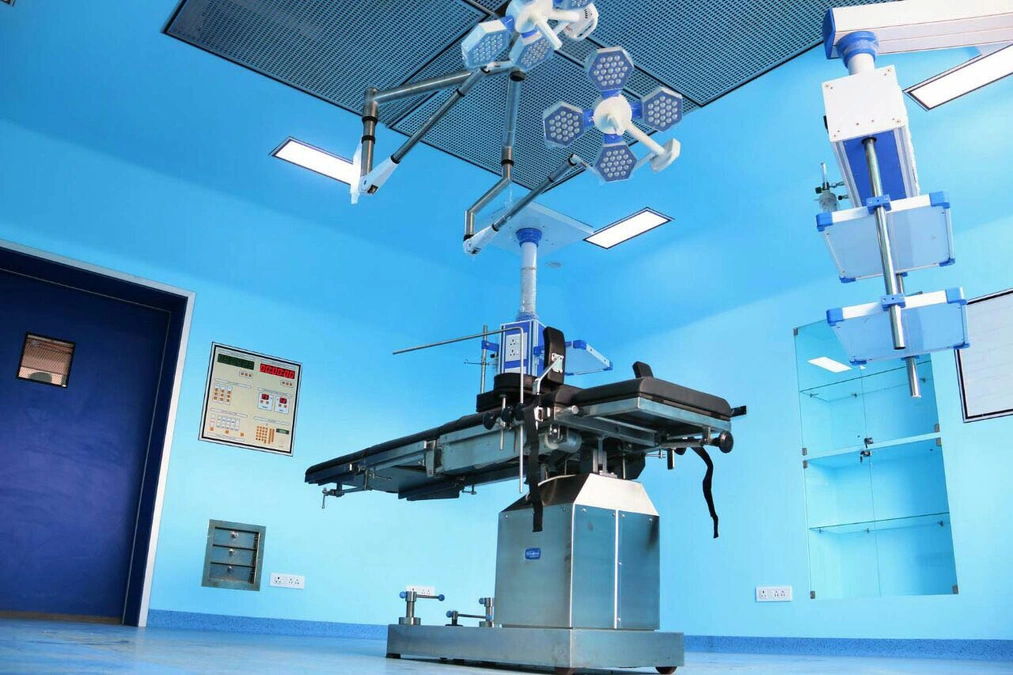
Highly advanced infrastructure is required by modern healthcare facilities for safe patient care and precise surgery as well as operational efficiency. The hospital comprises several major components out of which Modular Operation Theatre (OT) and Medical Gas Pipeline System (MGPS) system are one of the most essential ones. They underpin a safe, sterile and high-tech environment where healthcare professionals provide life-saving procedures.
By recognizing the significance of Modular OT layout along with the function of MGPS, hospital administrators, architects, healthcare consultants and medical equipment manufacturers can take informed decisions to plan or upgrade any healthcare facility.
On top of that, a Modular OT or Modular Operation Theatre is an environment constructed with pre-engineered surgical space using modular wall panels and state-of-the-art HVAC systems, built-in medical equipment and lighting fixtures. Modular OTs differ from traditional operation theatres as they comply with stringent hygiene requirements while providing flexibility, sustainability and maintenance handiness.
These operating theatres are mostly used in multispeciality hospitals, specialty clinics, medical colleges and surgical centres as they provide excellent infection control and efficient design.
The design of a modular OT affects the efficiency, infection control, personnel workflow and patient safety during surgery. An operation theatre is designed in such a way that it limits contamination and provides an uninterrupted workflow during surgical procedures.
Sterile Zone
This is the most important zone known for surgical application. The sterile area must be as clean as possible and kept with positive pressure air to avoid contamination.
Features include:
Laminar airflow systems
HEPA filtration units
Surgical lights
Operating table
Medical gas outlets
Integrated control panels
Clean Zone
The clean zone is a type of transition space between the sterile and non-sterile section. This zone is where doctors prepare for surgery while wearing sterilized gowns, gloves and other protective gear.
This area often includes:
Scrub stations
Sterile storage cabinets
Equipment preparation areas
Protective Zone
The protective zone is a buffer area. it allows the regulation of people and assets flowing into the OT domain.
Disposal Zone
Special care must be taken for medical waste created during surgical operations. Healthcare establishments and hospitals dispose of their waste by utilizing a zone called the disposal zone, which is designed specifically to allow for biomedical waste to be safely collected and transferred.
Modern modular operating theatre (OT) is usually composed of components integrated in various systems to work collectively for a controlled surgical environment.
Modular Wall and Ceiling Panels
These panels are made up of stainless steel, galvanized steel or HPL materials with antibacterial finished. Their design is continuous, which helps to keep dust and bacteria from accumulating.
HVAC System
HVAC – it controls the temperature, humidity and air Quality in the OT. Adequate ventilation is critical to infection control and patient safety.
Laminar Airflow System
Laminar flow supplies clean air in a single pass, yielding uniform and systematic airflow, reducing contaminations by airborne microbial and keeping sterile work conditions.
OT Lighting
Shadowless surgical lights based on LED technology are primarily used for their energy efficiency and high output to heat generation ratio, allowing excellent visibility during surgery while cutting on energy consumption.
Conductive Flooring
Flooring is available that will also aid in prevention of electrical interference with sensitive medical devices and improve safety through anti-static resistance.
Integrated Control Panel
Healthcare staff can monitor and control lighting, HVAC systems, medical gases, temperature, humidity and Communication systems from a central location through the control panel.
MGPS Full Form is Medical Gas Pipeline System
The Medical Gas Pipeline System is a centralized network that is used for the safe and efficient delivery of medical gases throughout a healthcare facility. It is an invaluable assistance in operation theatre s, intensive care units or ICU, emergency departments, post-operative recovery rooms and patient wards.
With MGPS, you need not keep individual gas cylinders inside the critical care units, ensuring a continuous supply of gases and also ameliorate safety standards.
Oxygen (O₂)
Oxygen is a vital component of patient management and is used during major surgeries, in intensive care treatment as well as in emergency medical procedures.
Medical Air
Respiratory support and powering specific medical devices uses medical air.
Nitrous Oxide (N₂O)
Nitrous oxide is frequently used as an anesthetic gas during surgery.
Carbon Dioxide (CO₂)
In laparoscopic and less invasive surgery, they often use carbon dioxide.
Vacuum System
The vacuum pipeline is used to provide the suction needed for aspirating fluids and provides a clean surgical field.
Continuous Gas Supply
The centralized system guarantees seamless delivery of medical gas to departments.
Improved Safety
Hospitals eliminate hazards due to gas leakage, handling mishaps and storage emergencies by mitigating the requirement of portable cylinders.
Better Operational Efficiency
Wall outlets for medical gases enable healthcare professionals to access them instantly, which aids in productivity and patient care.
Space Optimization
Gas centralization minimizes equipment density and optimizes the use of clinical real estate.
Easy Monitoring and Maintenance
Alarm systems and monitoring devices for evaluating the system reliability and its maintenance are generally incorporated in modern MGPS Installations to make them compliant with Healthcare Industry standards.
One of the essential equipment that is needed for a Modular OT to function properly is a dependable Medical Gas Pipeline System. Oxygen, vacuum, medical air and anesthetic gases are used by the surgical teams during most procedures. ANS MGPS, when integrated into the OT design of hospitals, will ensure that all surroundings which need to be safe and efficient for performing surgery stays in full-circle integration.
Integrating this into practice is an important step in improving patient outcomes, improving efficiencies for surgeons and continuing to fulfill the requirements of new healthcare regulations.
Modern healthcare infrastructure always ought to comprise modular OT layouts and Medical Gas Pipeline Systems. A well-functioning modular operation theatre is one that has checked the boxes of infection control, workflow optimization, and patient safety; similarly a state-of-the-art MGPS (medical gas pipeline system) assures a continuous supply of essential gases to carry out critical medical procedures without any disruption.


8.4K articles

2.7K articles

1.6K articles

34 articles








Comment